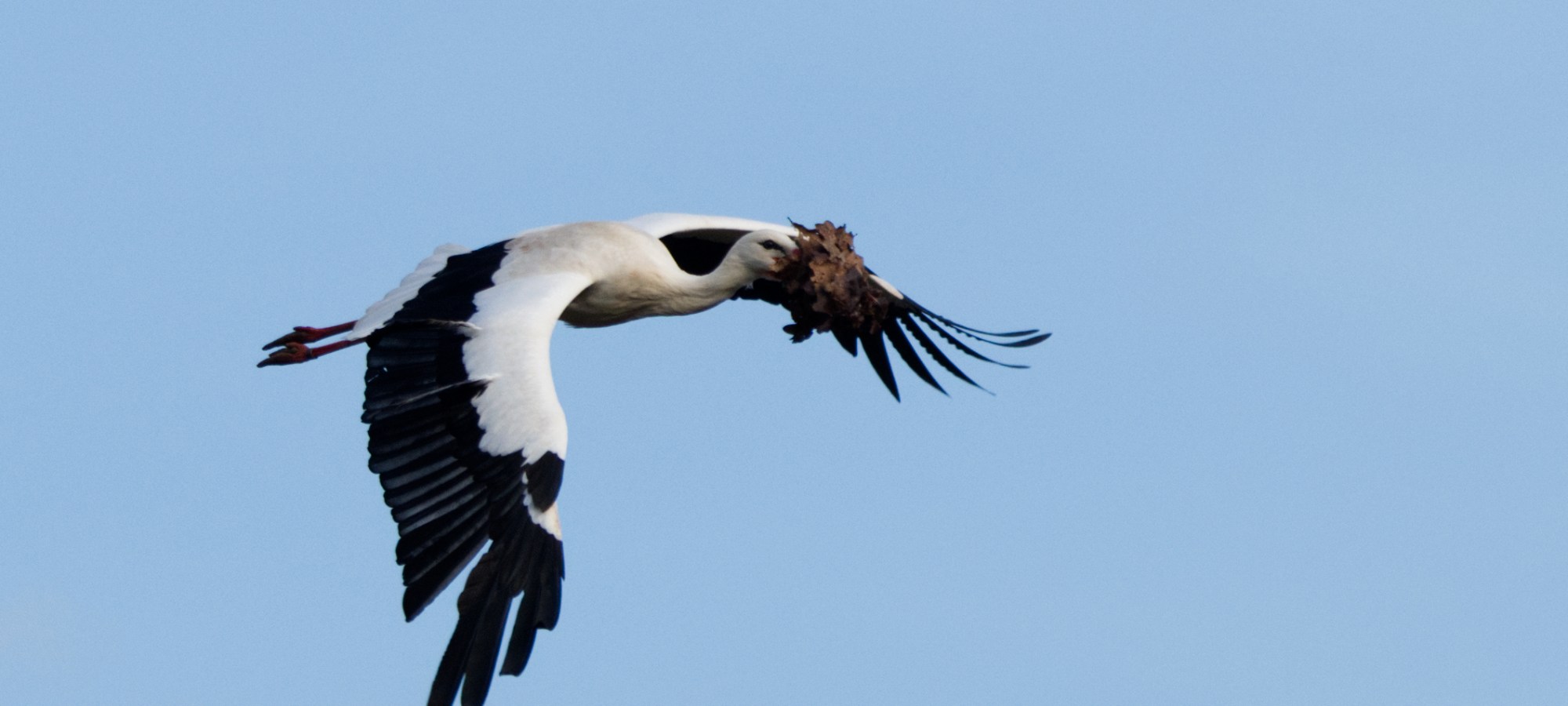
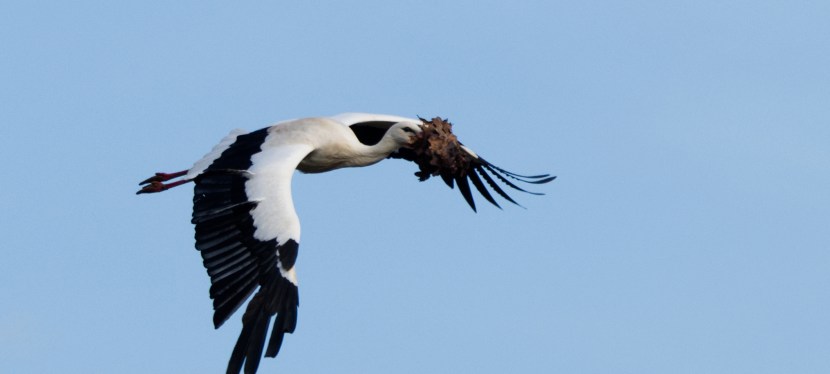
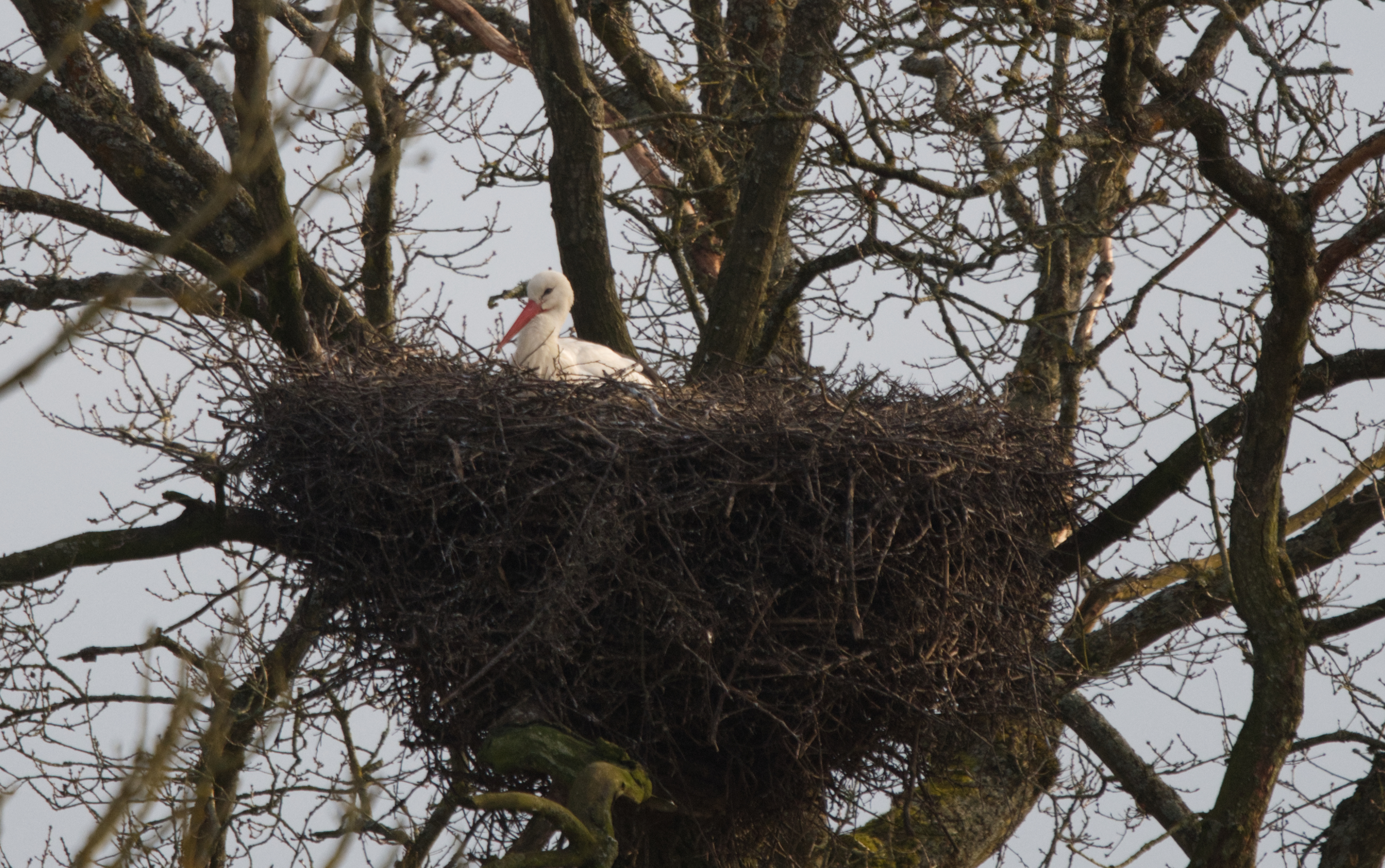
First visit of the year now that the freezing weather has abated and there was a smidgen of sun. The stork’s are back and nesting already. There is now such a density of storks around the estate that you can not miss them even if you aren’t looking for them, with 2 or 3 nests … Read more The Storks of Knepp
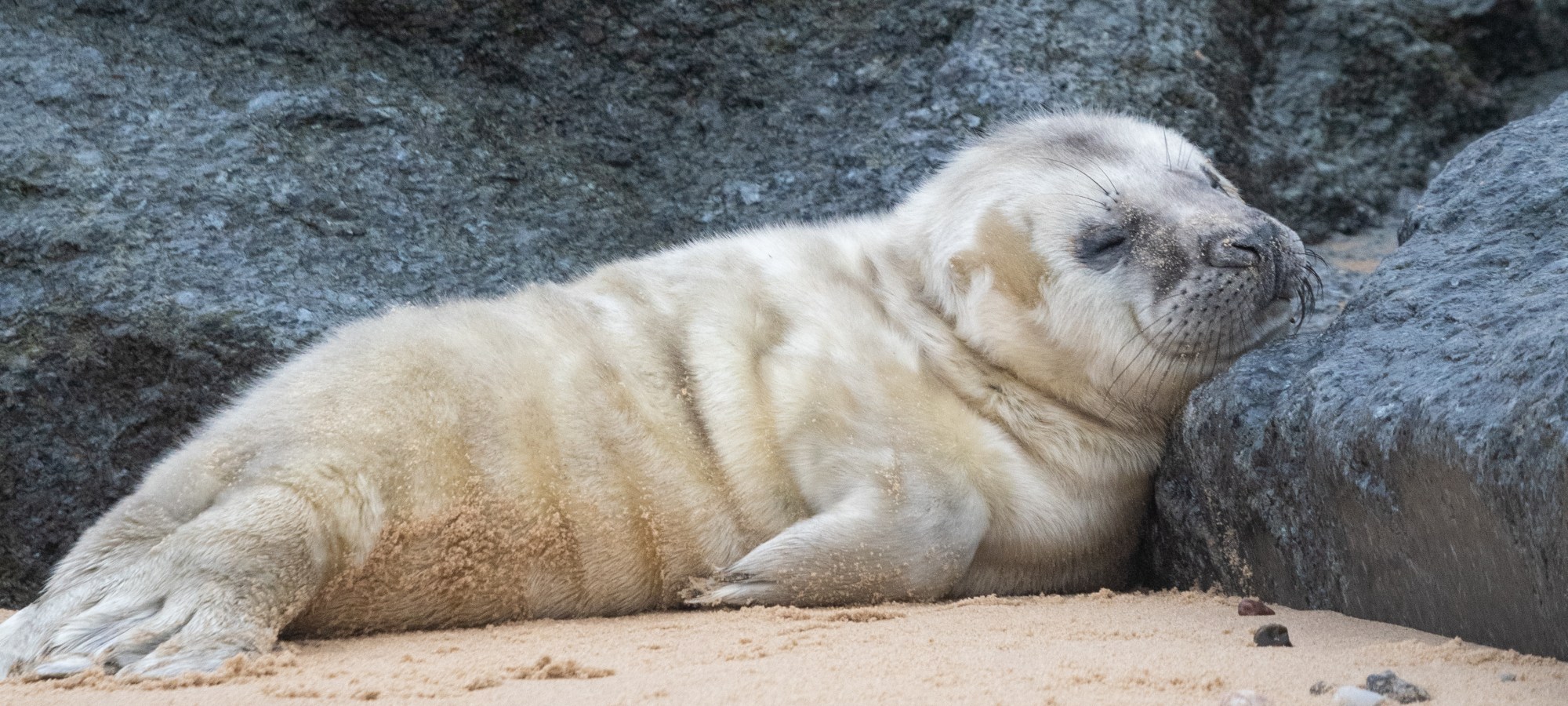
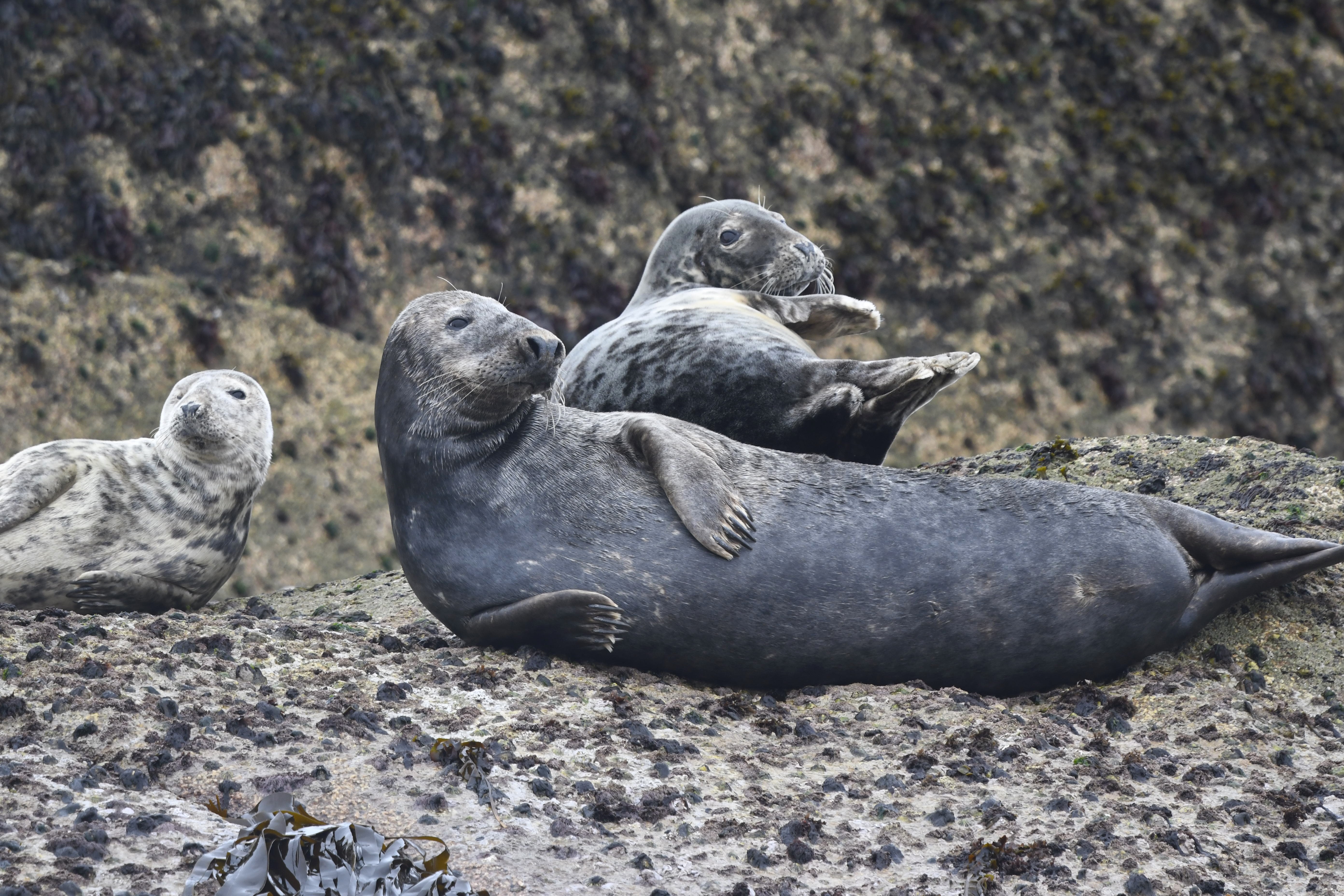
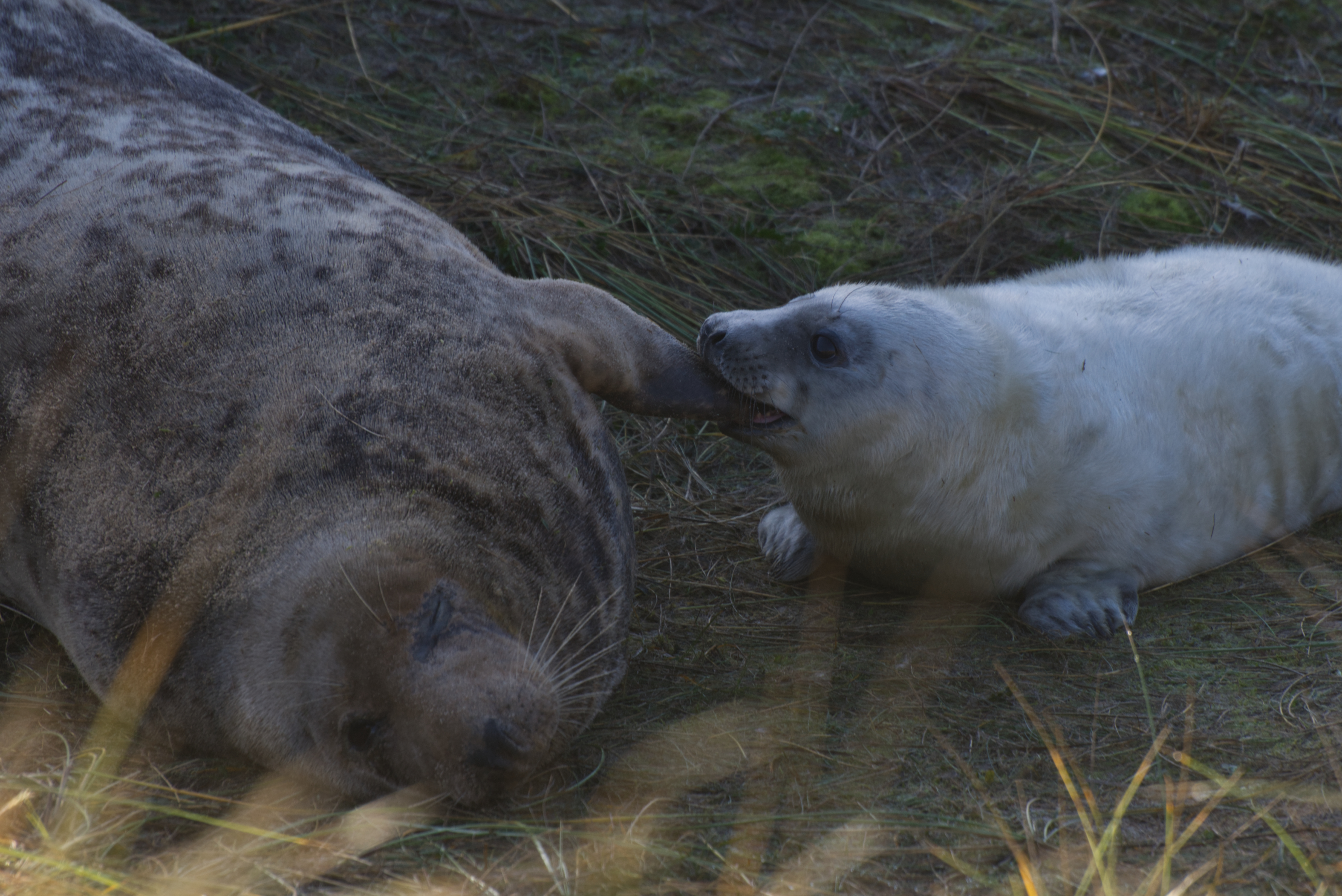
So it’s twixtmas, that means it’s time for the crazy , traffic riddled journey up to North Norfolk to see the baby grey seals again. First up this week is the lovely walk along Waxham Beach, taking great care not to get too close to any seals who have nestled themselves between the rocks. There … Read more Annual pilgrimage for Norfolk Seals
We’ve written some handy little guides (a lot of these are still in development as we are lucky to have been to a lot of places, so have some catching to do) for each of the places we’ve visited. For each destination we’ve provided info on what wildlife you can see there, how to get there, … Read more Destination Guides
Bears, Whales, Dolphins, Otters, Seals…. Where can I see each type of animal? Here we will be putting together some guides on some of our favourite animals, where the best places to see them are and any other useful info that you might need to help plan your trip. Keep an eye out as this … Read more I want to see…
Here we detail what kit we use to watch and photograph the wildlife, along with any other handy tips about wildlife watching and photography. Cameras and Binoculars Ethical Wildlife Watching
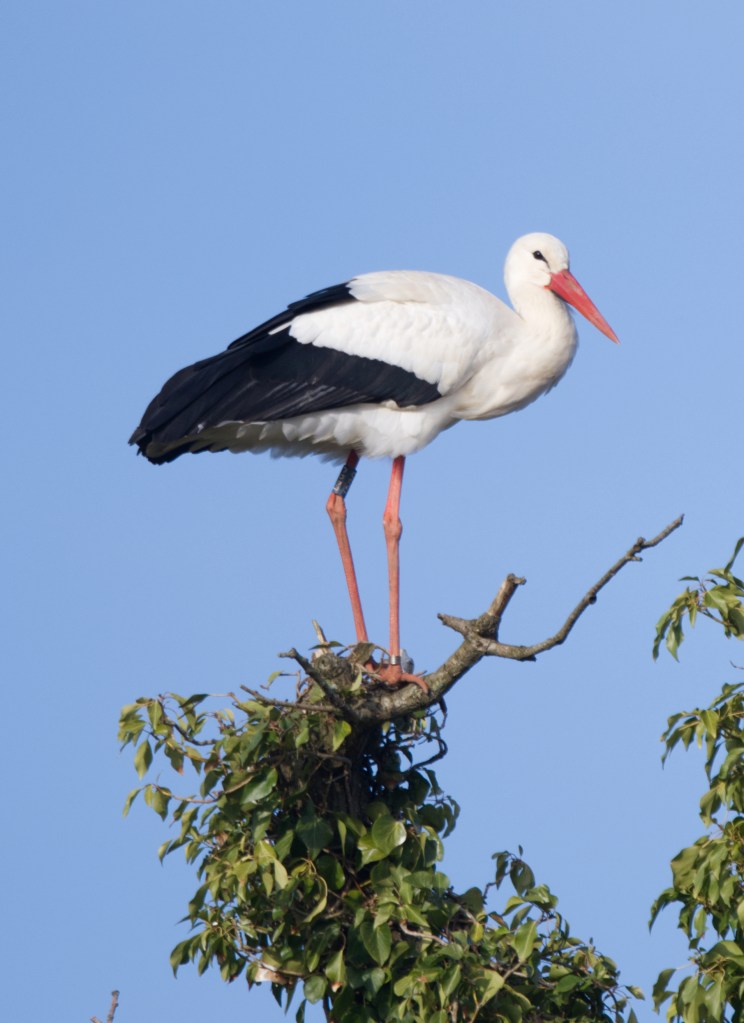
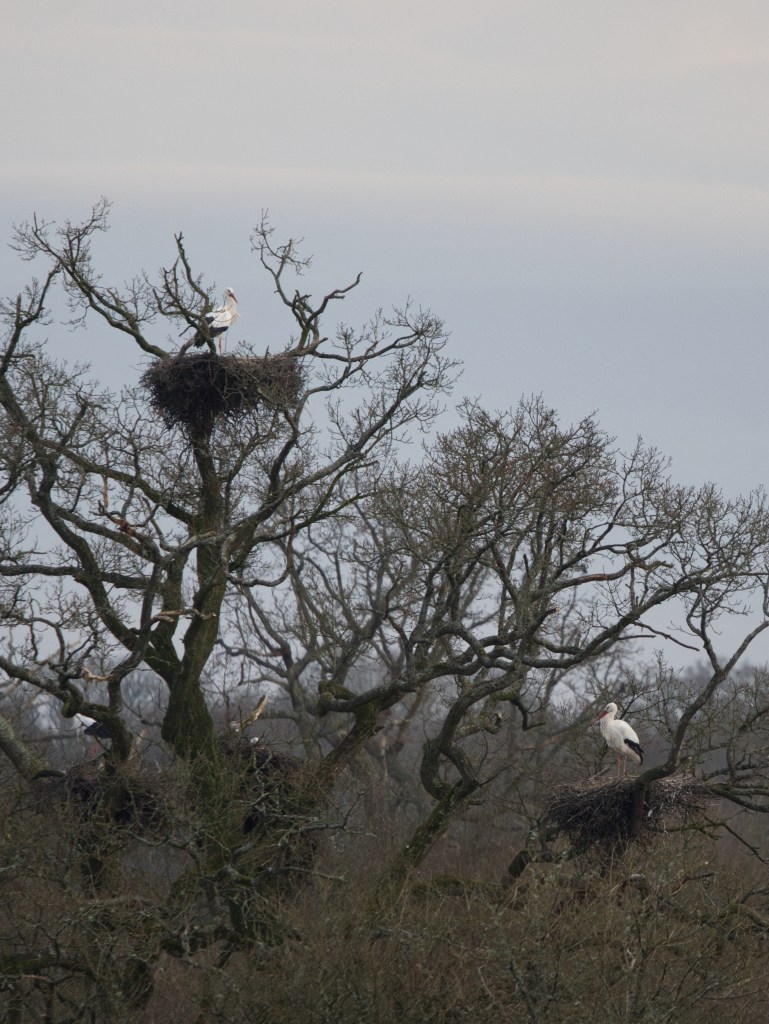
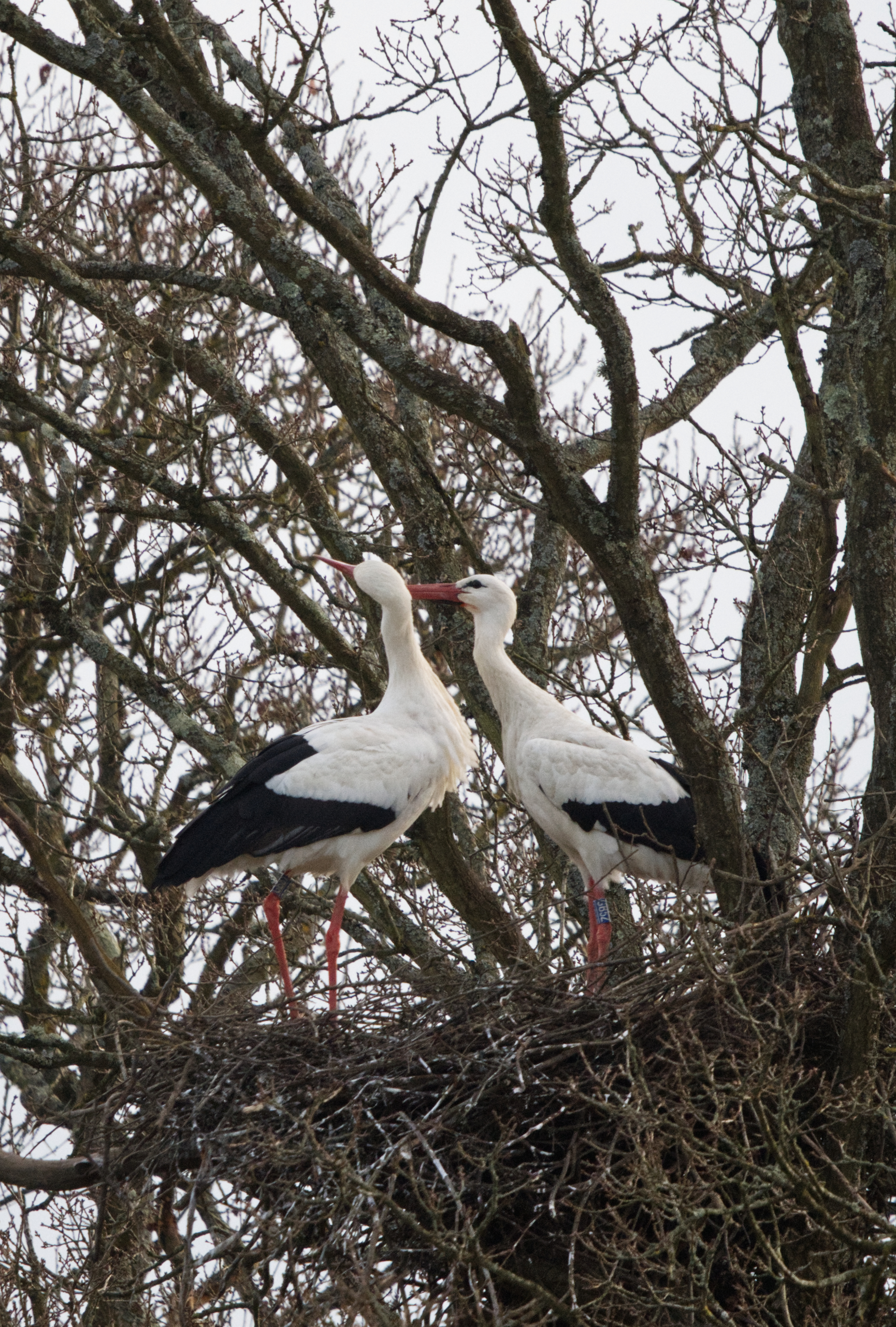
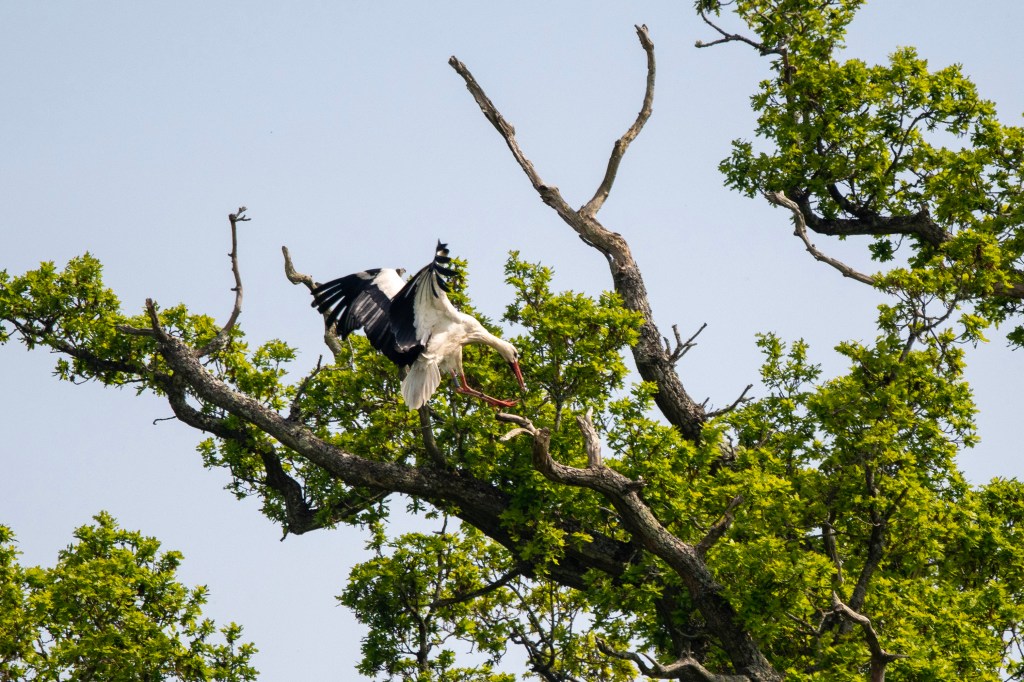
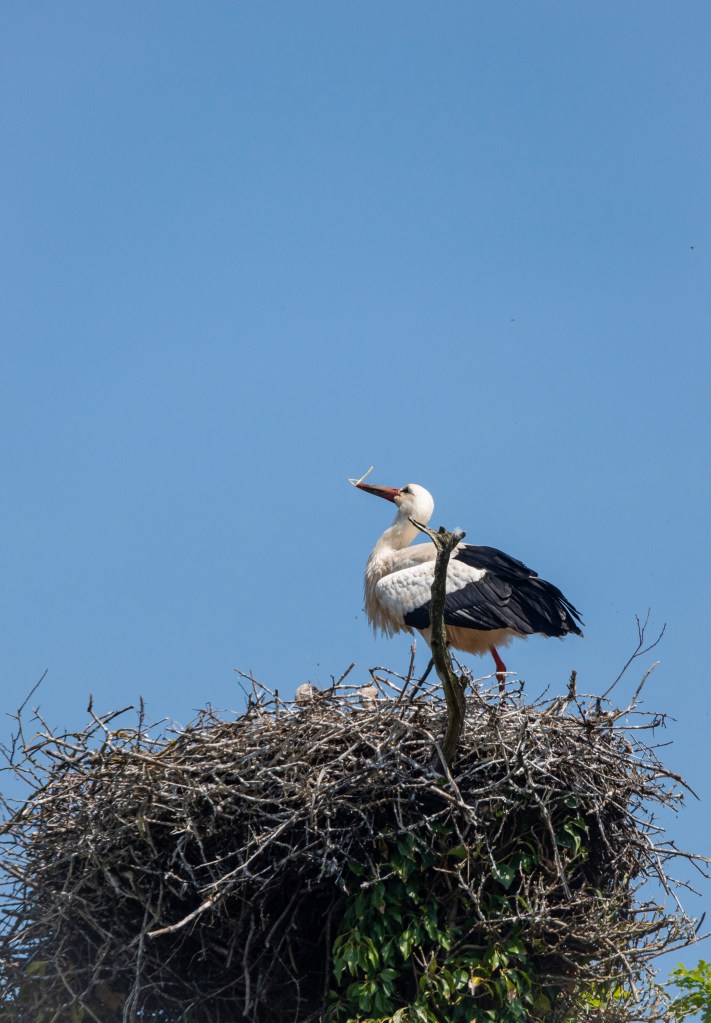
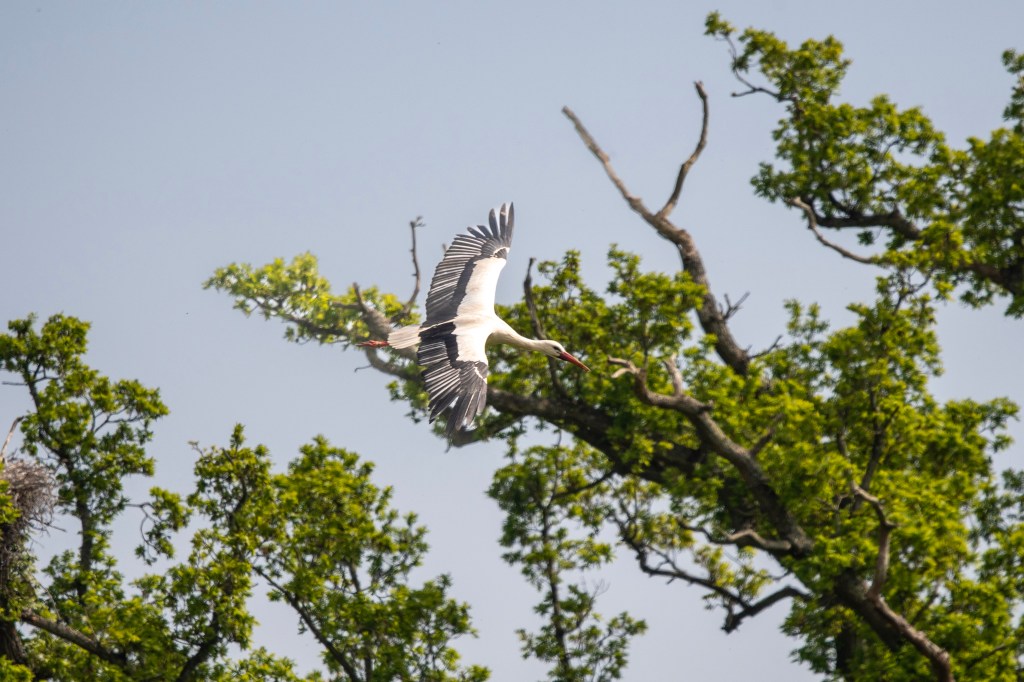
First visit of the year now that the freezing weather has abated and there was a smidgen of sun. The stork’s are back and nesting already.
There is now such a density of storks around the estate that you can not miss them even if you aren’t looking for them, with 2 or 3 nests in a single tree. Their rhythmic clacking is also very noticeable.
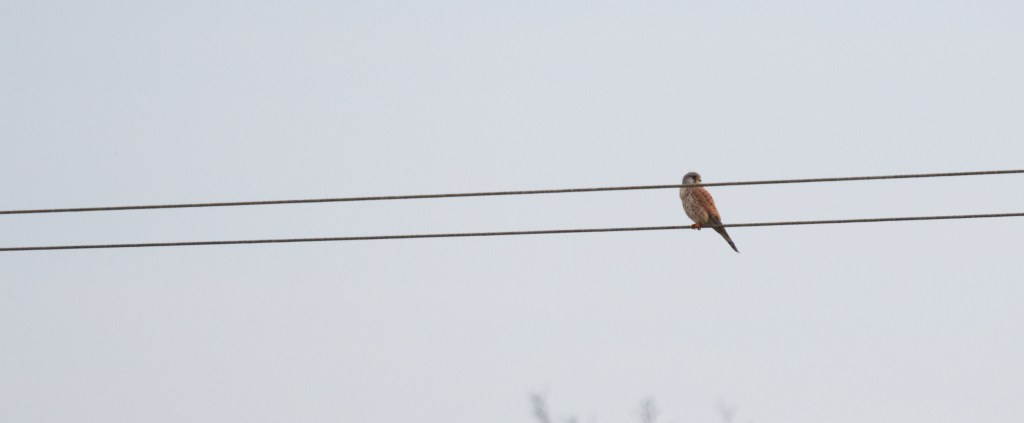
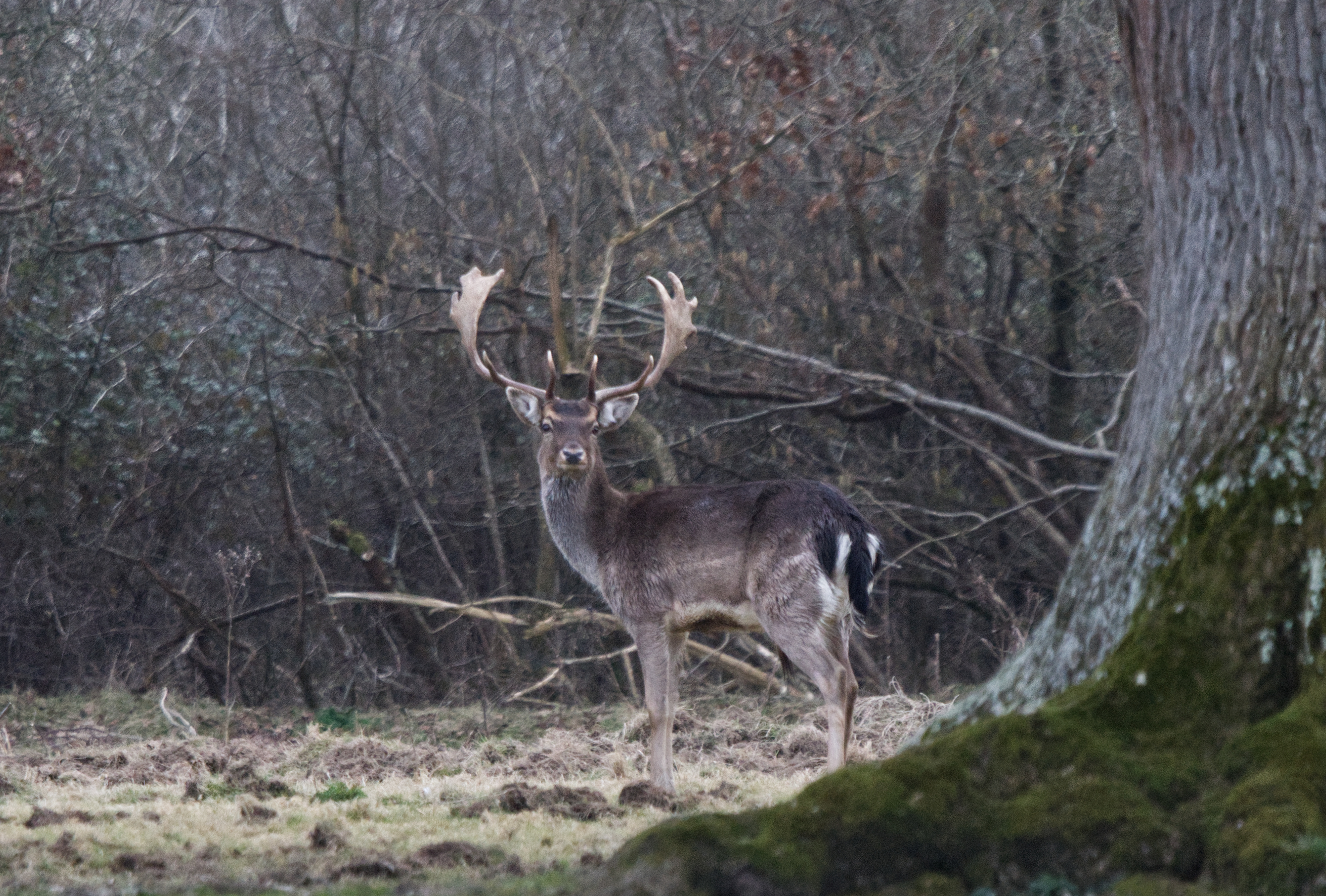
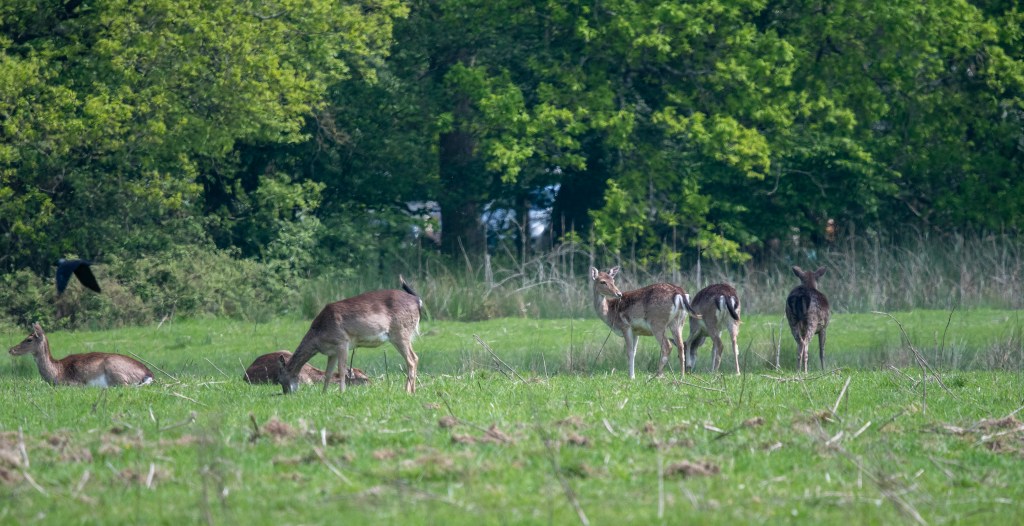
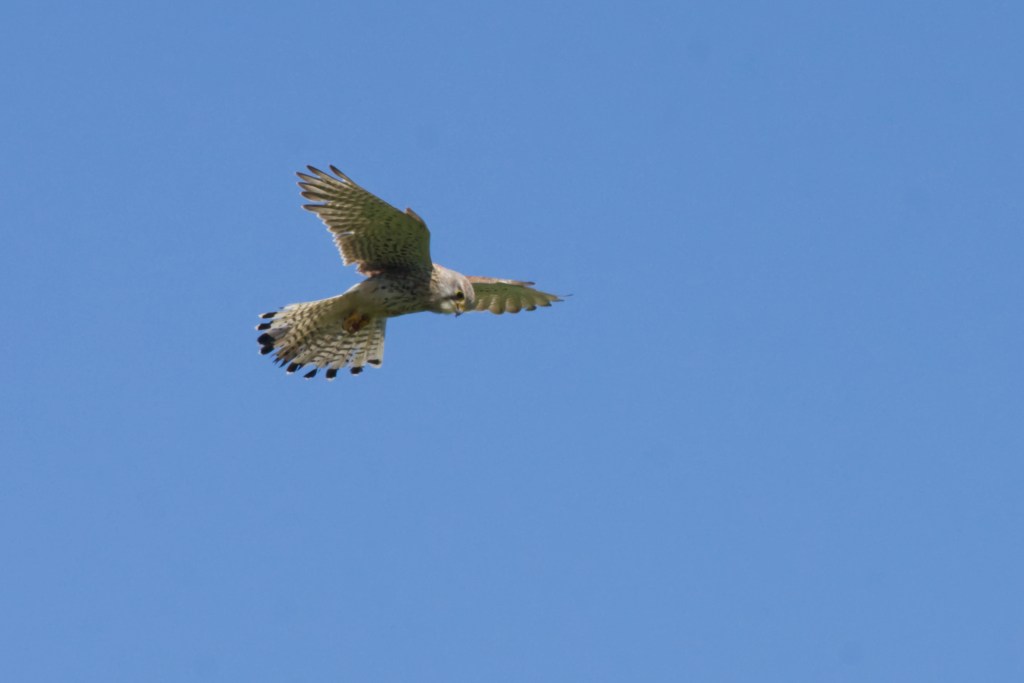
Obviously, storks aren’t the only treasures on the estate and you’re almost guaranteed to see something on a visit and this time we were treated with seeing a couple of fallow deer and a kestrel .
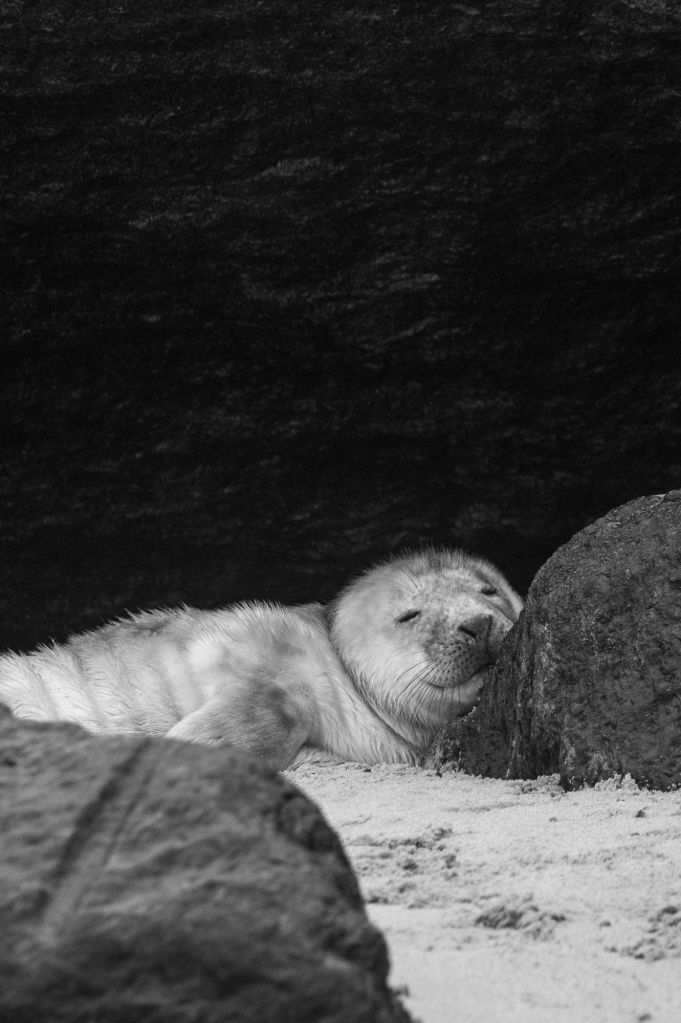
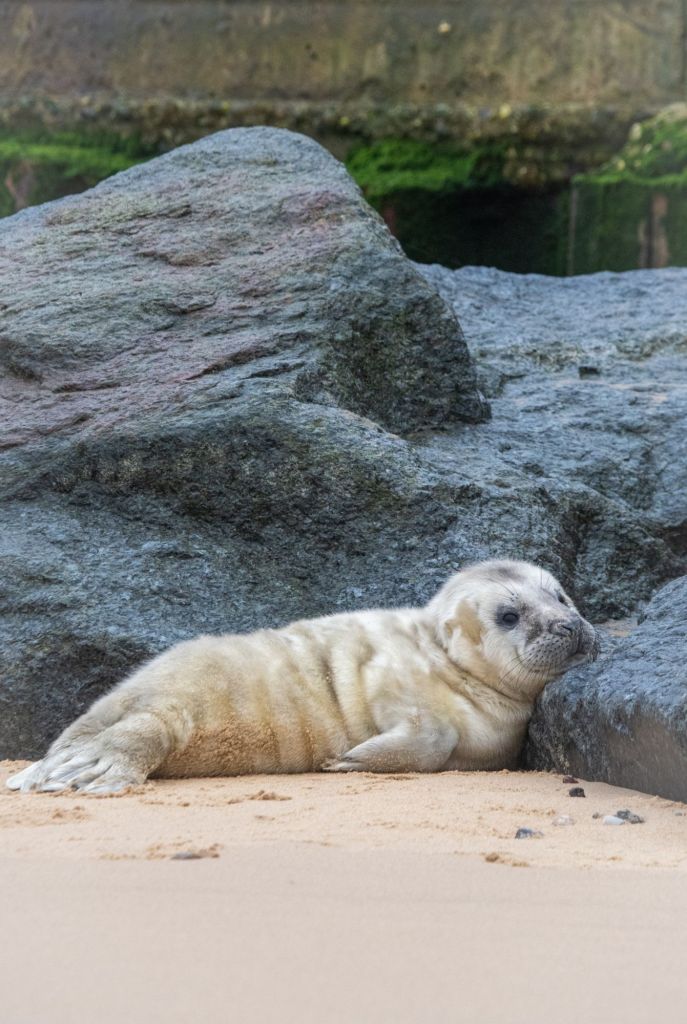
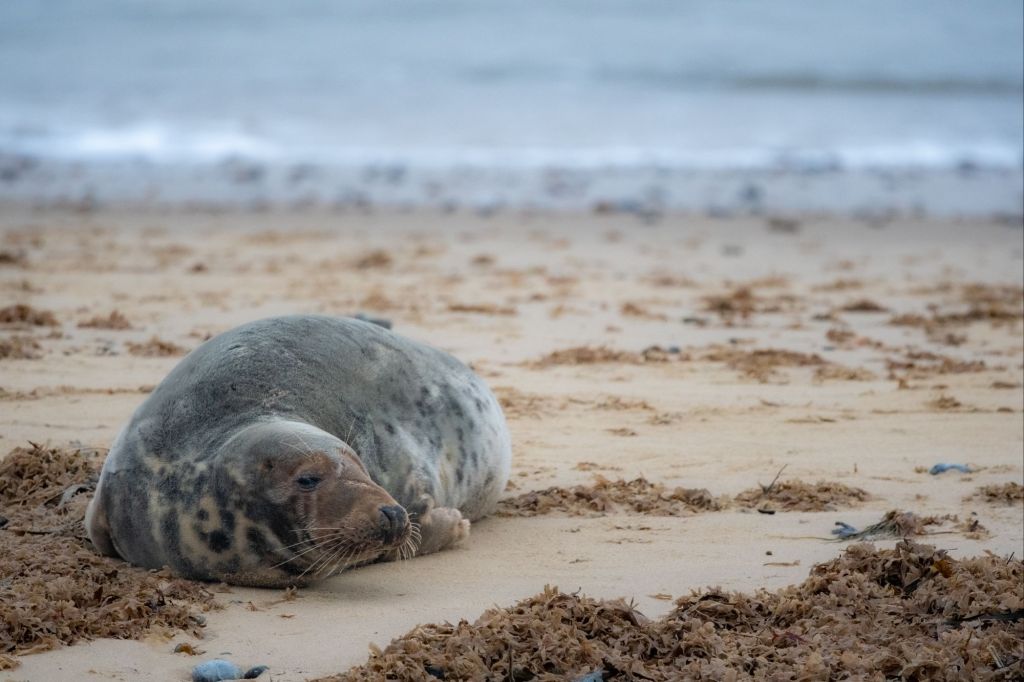
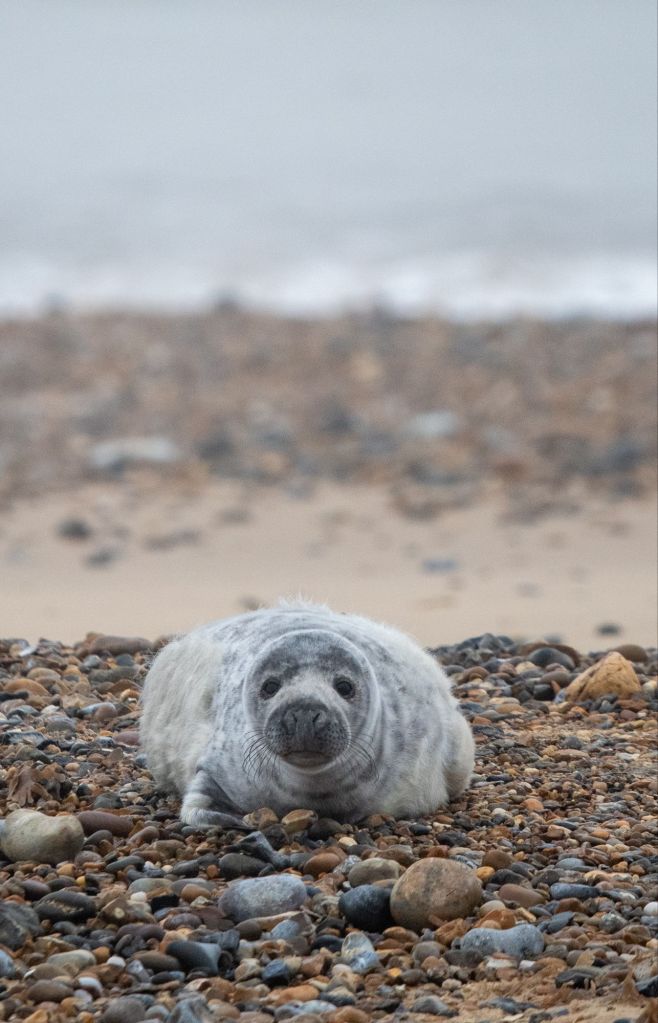
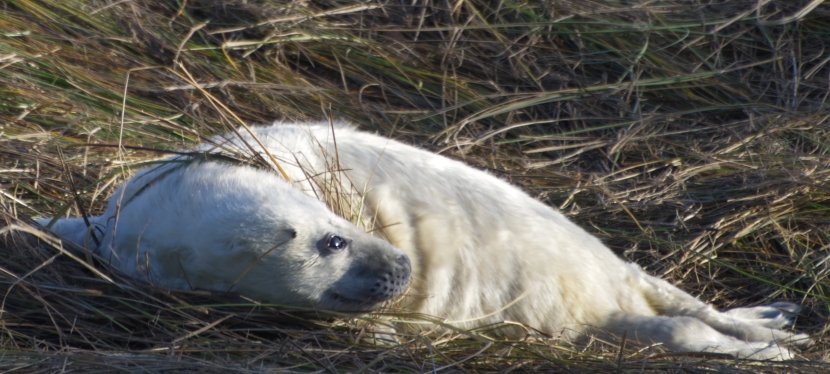
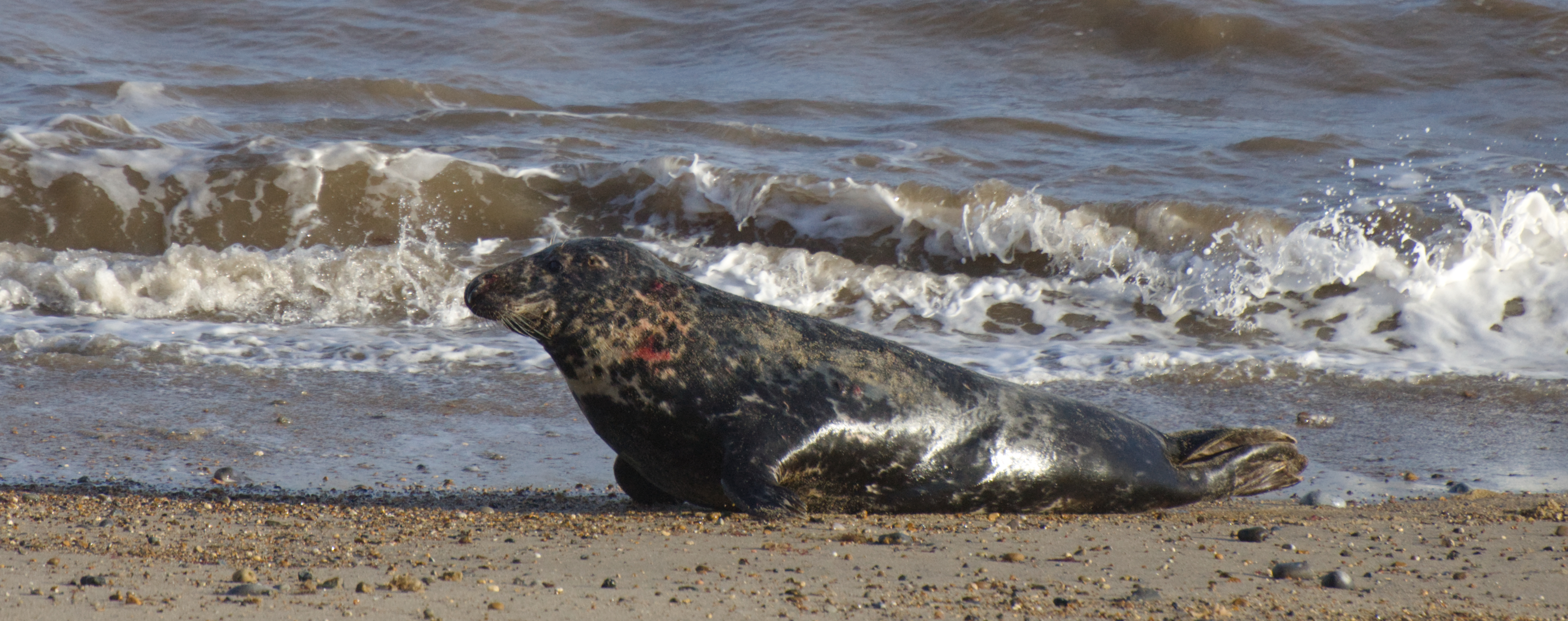
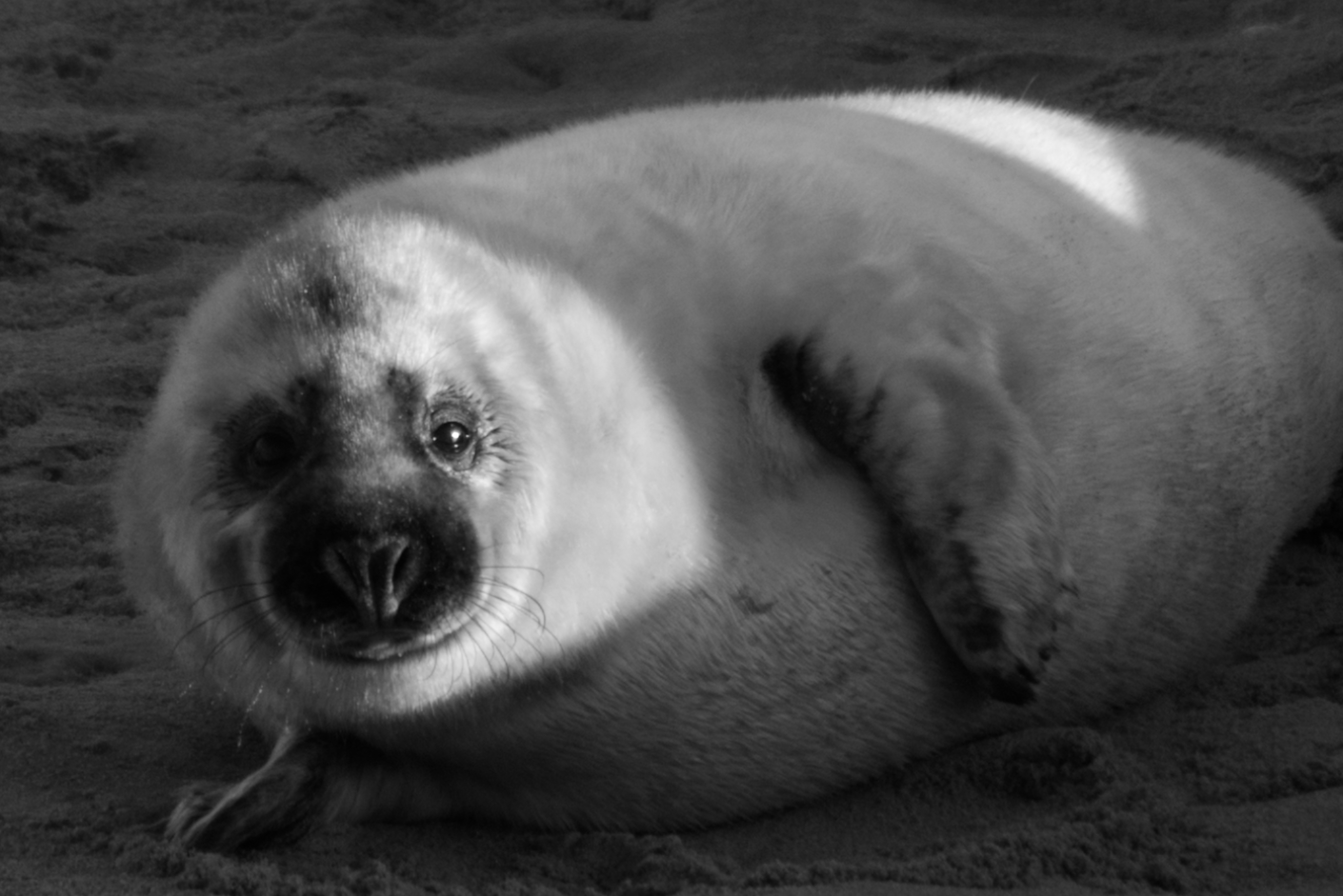
So it’s twixtmas, that means it’s time for the crazy , traffic riddled journey up to North Norfolk to see the baby grey seals again.
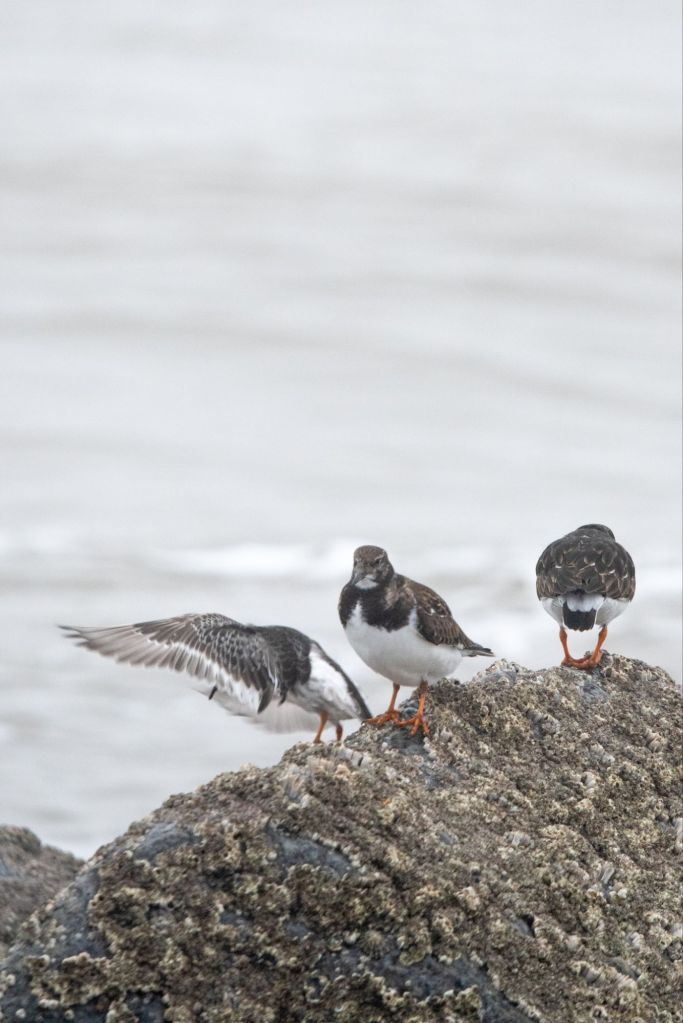
First up this week is the lovely walk along Waxham Beach, taking great care not to get too close to any seals who have nestled themselves between the rocks. There was also a little group of turnstones playing around on the rocks.
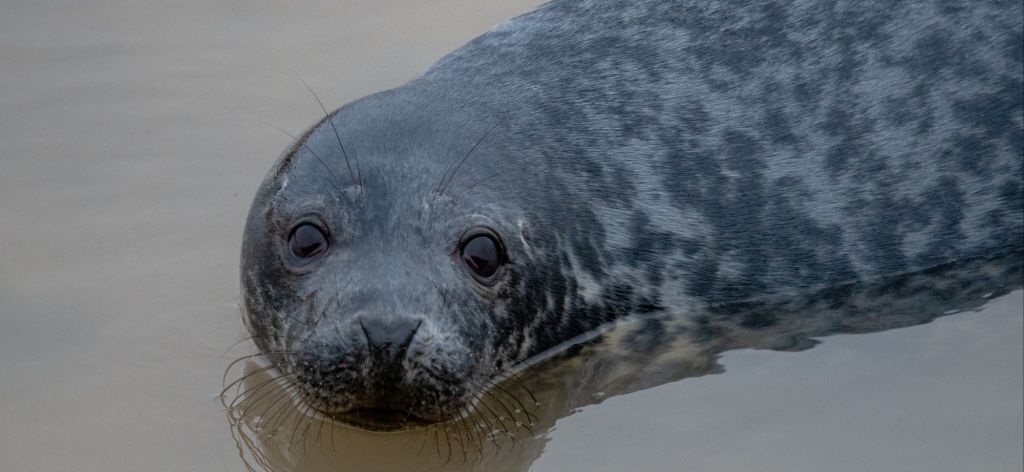
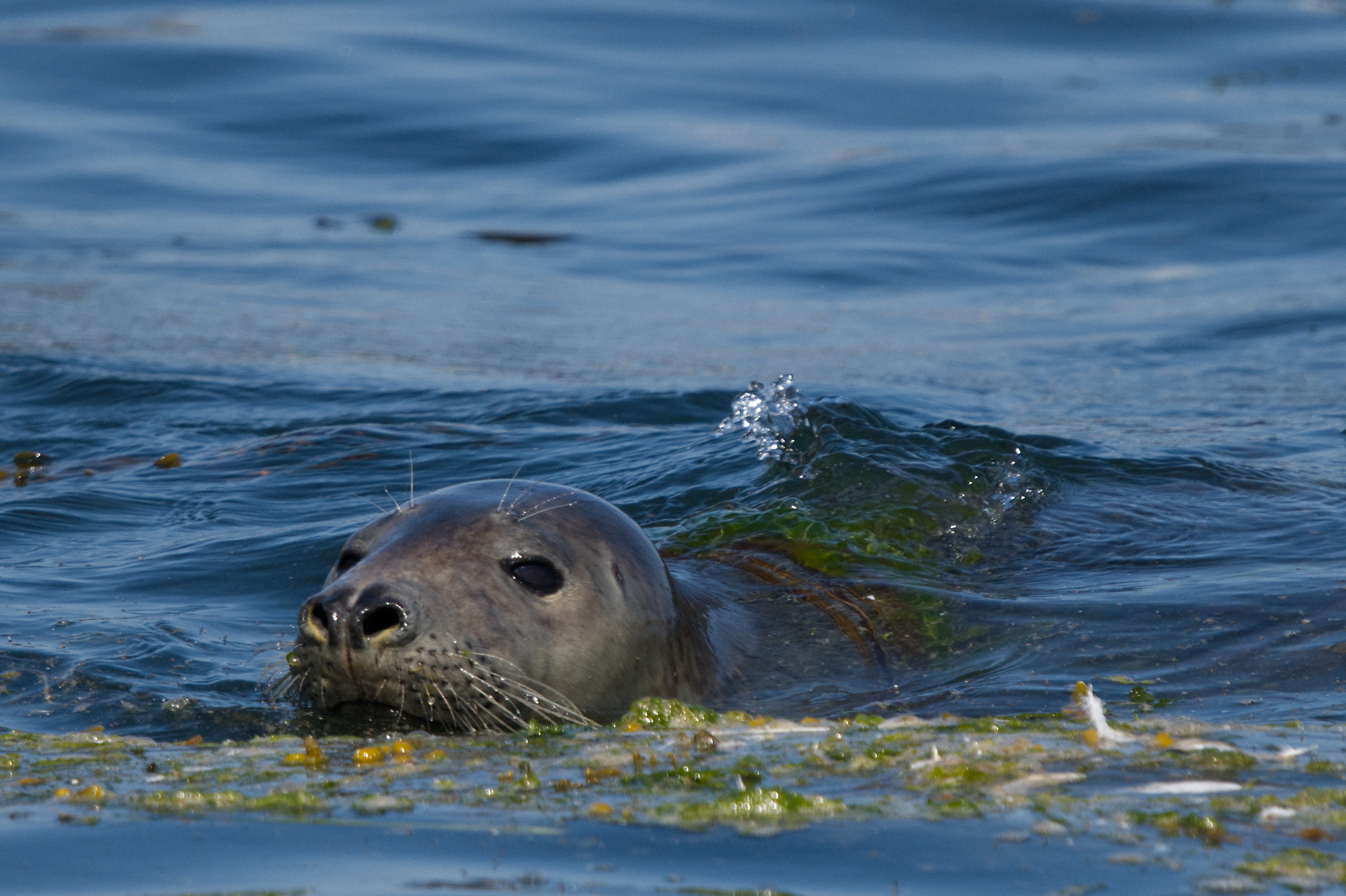
Saw one or two pups left on their own as we walked along, before coming across a colony of a hundred or so adults, juveniles and pups. Always so lovely to see and, this year in particular, it seems all walkers were being very respectful and keeping a big distance between themselves and the seals,, which has not always been the case when we’ve been here.
Unfortunately, we couldn’t stay long as both kids decided to get themselves play in huge puddles and their waterproofs weren’t designed for taking a swim
We have been to Brownsea many times day trips. It’s an amazing place, but the amout of time there is limited by the times of the boats.
You can not miss the last 5pm boat!
This time, we were going to be spending 4 days and 3 nights on the island! We’d get the chance to see and do things we had never gotten round to before, like spend lots of time in the Dorset Wildlife Trust wetlands and explore the extreme western end of the island, near the old Pottery Pier.
We camped at the same site where Robert Baden Powell held his first expermimental camp there in 1907 and there were scout groups visiting there at the same time as us.
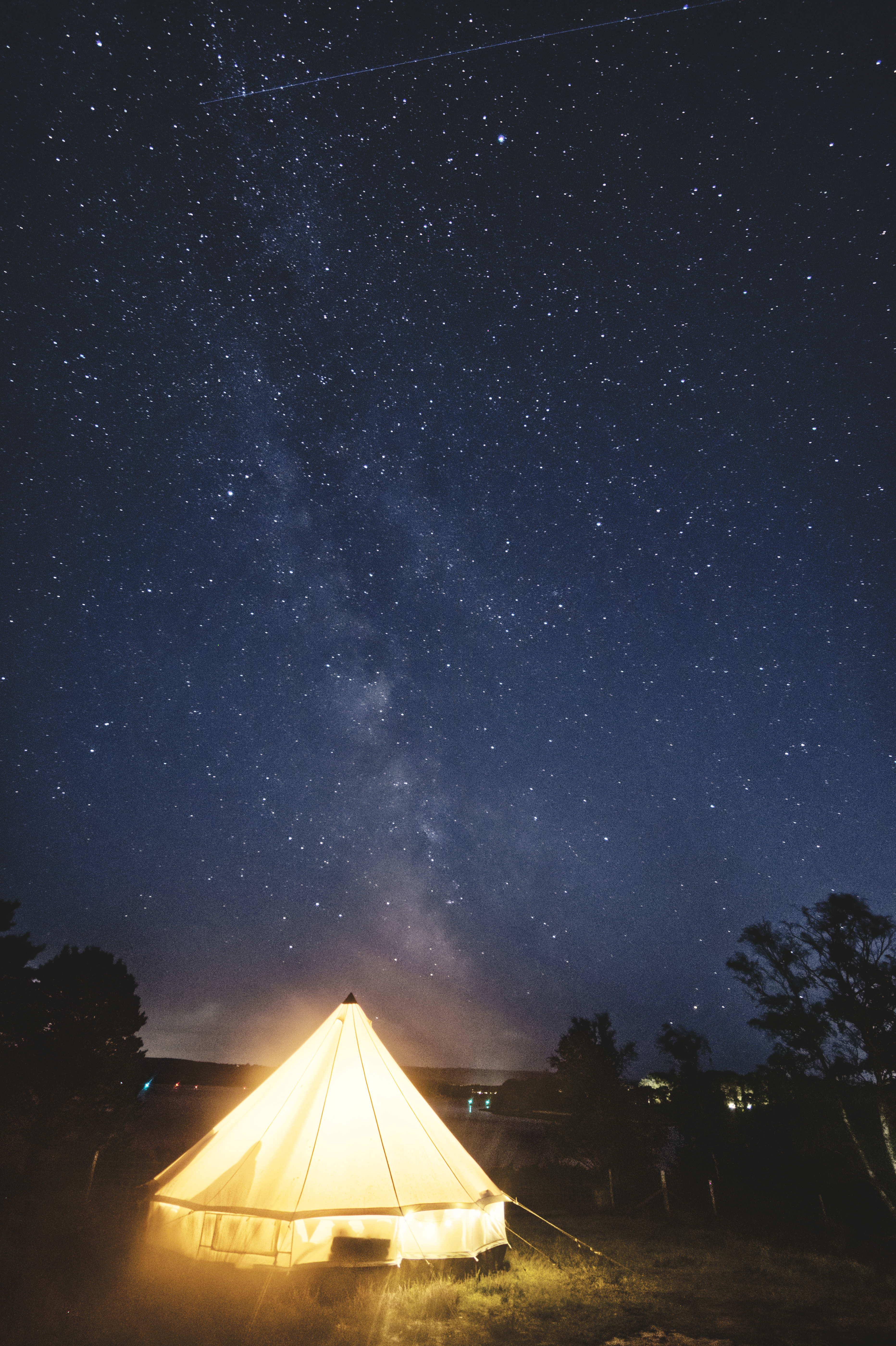
The Milky Way above the campsite
I took advantage of the low light pollution and cleat skies on one night to have a stab at taking some photos of the Milky Way, something I had never attempted before. I had some success and can’t wait to have another go some time.
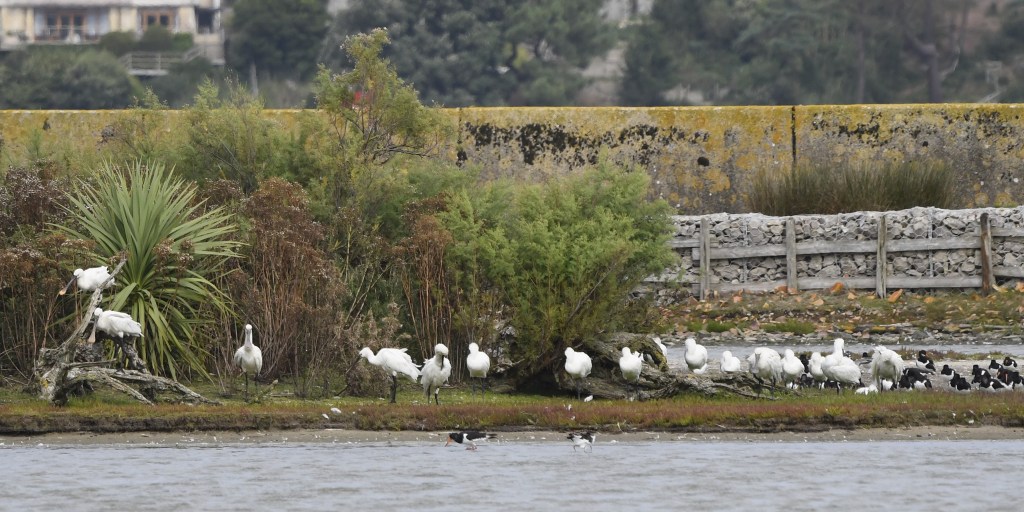
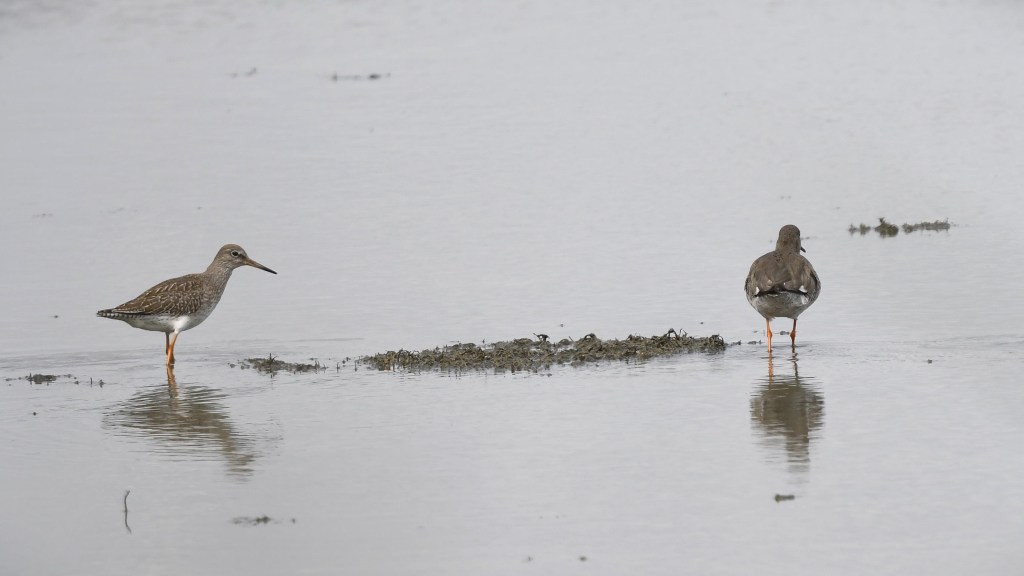
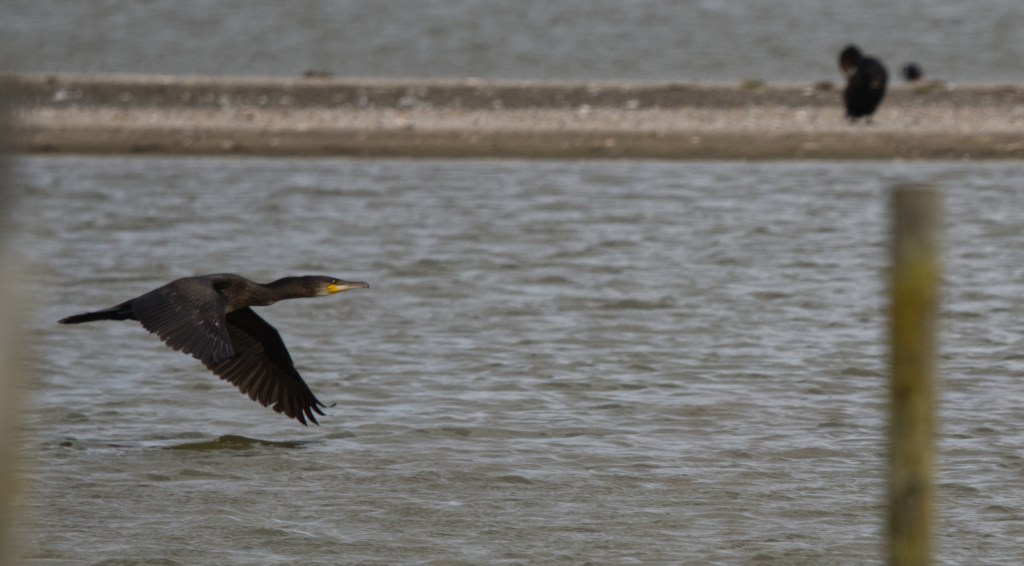
SpoonbillsRedshanksCormarants
There are a number of hides and a visitor centre (with a new observatory in the process of being built) in the Dorset Wildlife Trust section of Brownsea Island. They’re free to visit, but you can make a donation (cash or contactless) if you wish to help the cause, and you really should because they are fantastic. We spent time in each hide, but with a 3 year old and a 5 year old who do not like staying quiet, we moved on to avoid disturbing too many people. There were lots of spoonbills on site that day, along with avocets, terns and a whole host of coastal and wading birds.
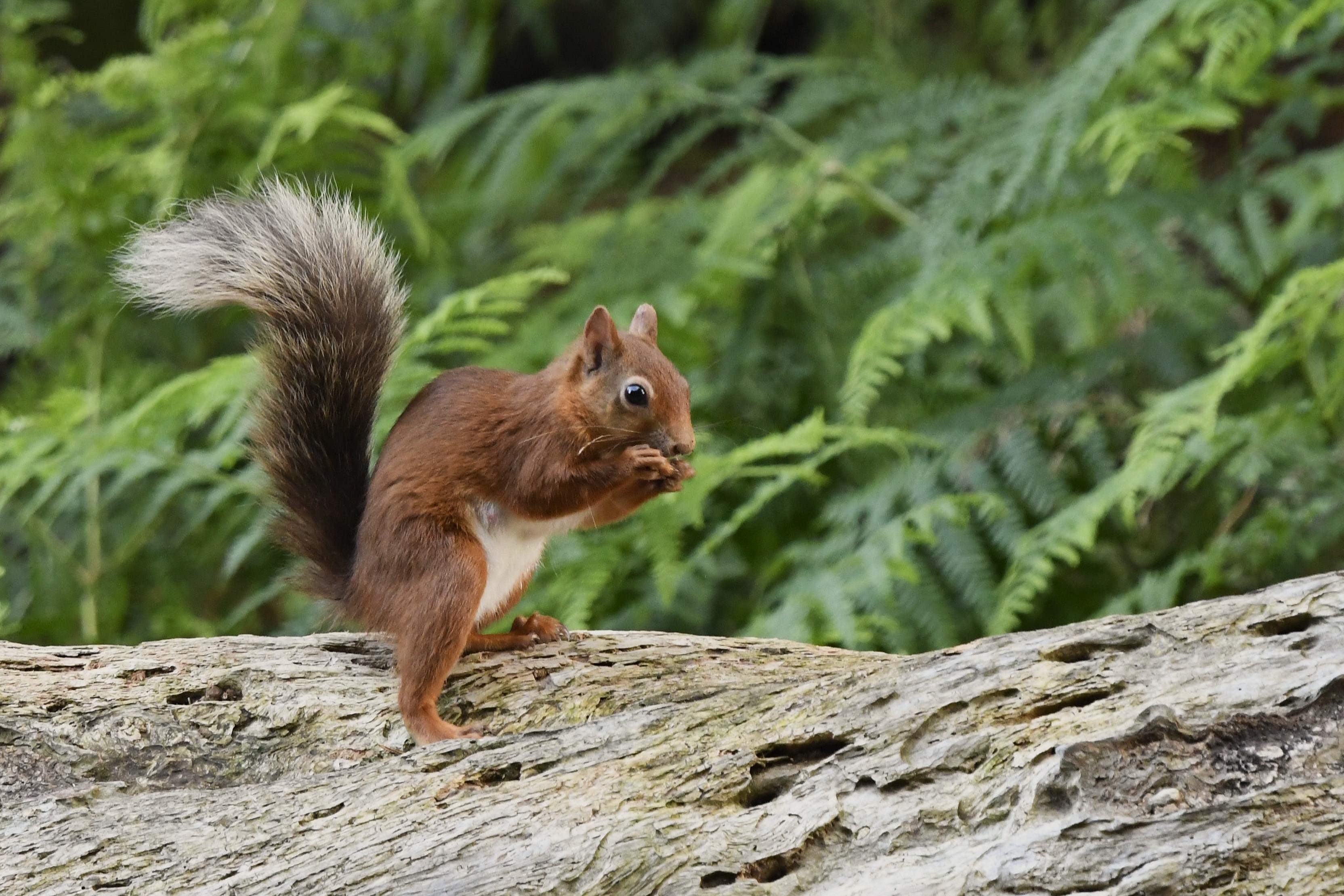
Brownsea is rather famous for its red squirrel population and quite rightly so, with approximately 250 living on the island. We saw the squirrels often whilst walking round the island, but the eaisest place to sport them is behind the church, it seems people leave nuts out for them, which I’m not sure of the ethics of.
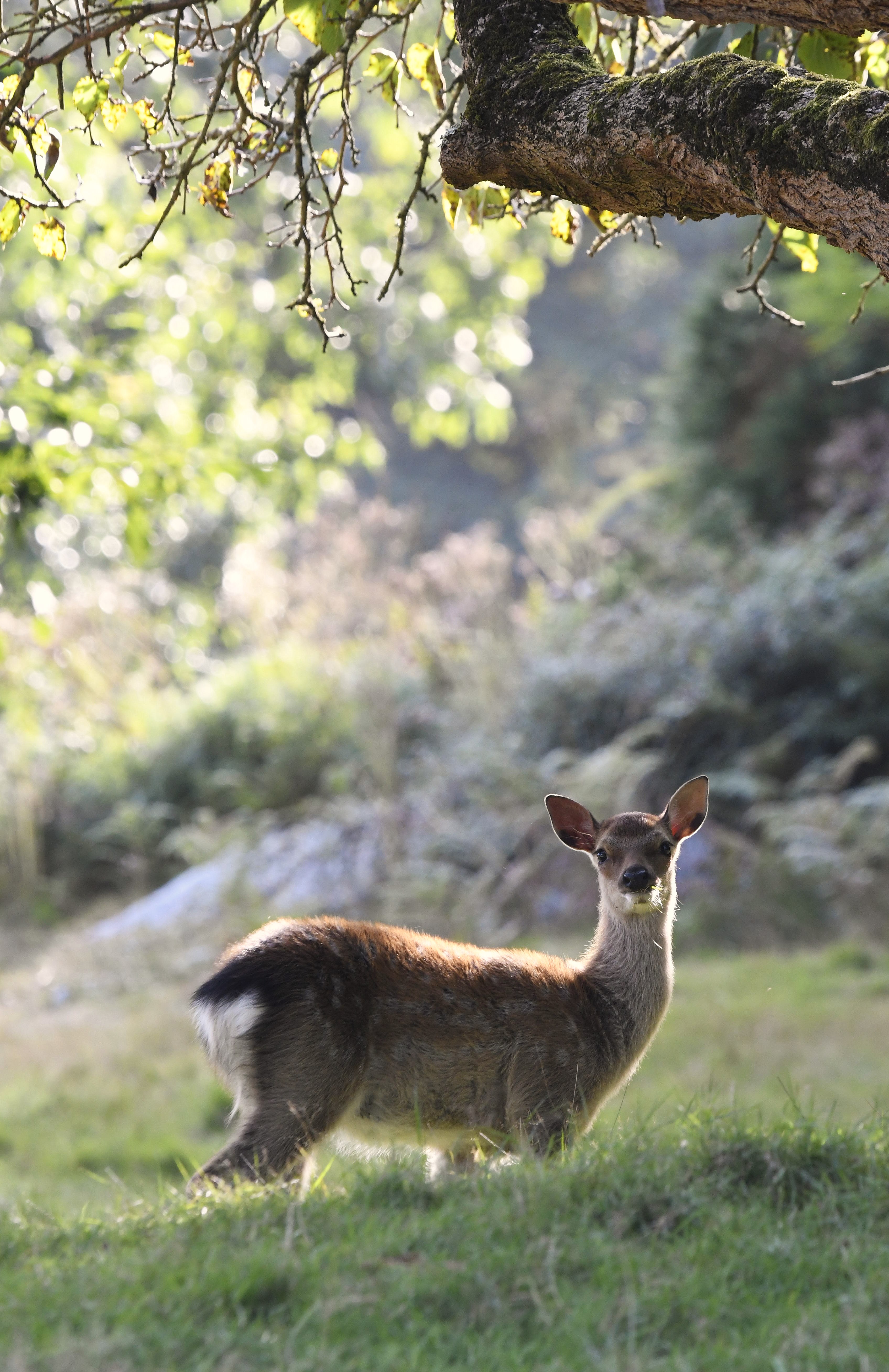
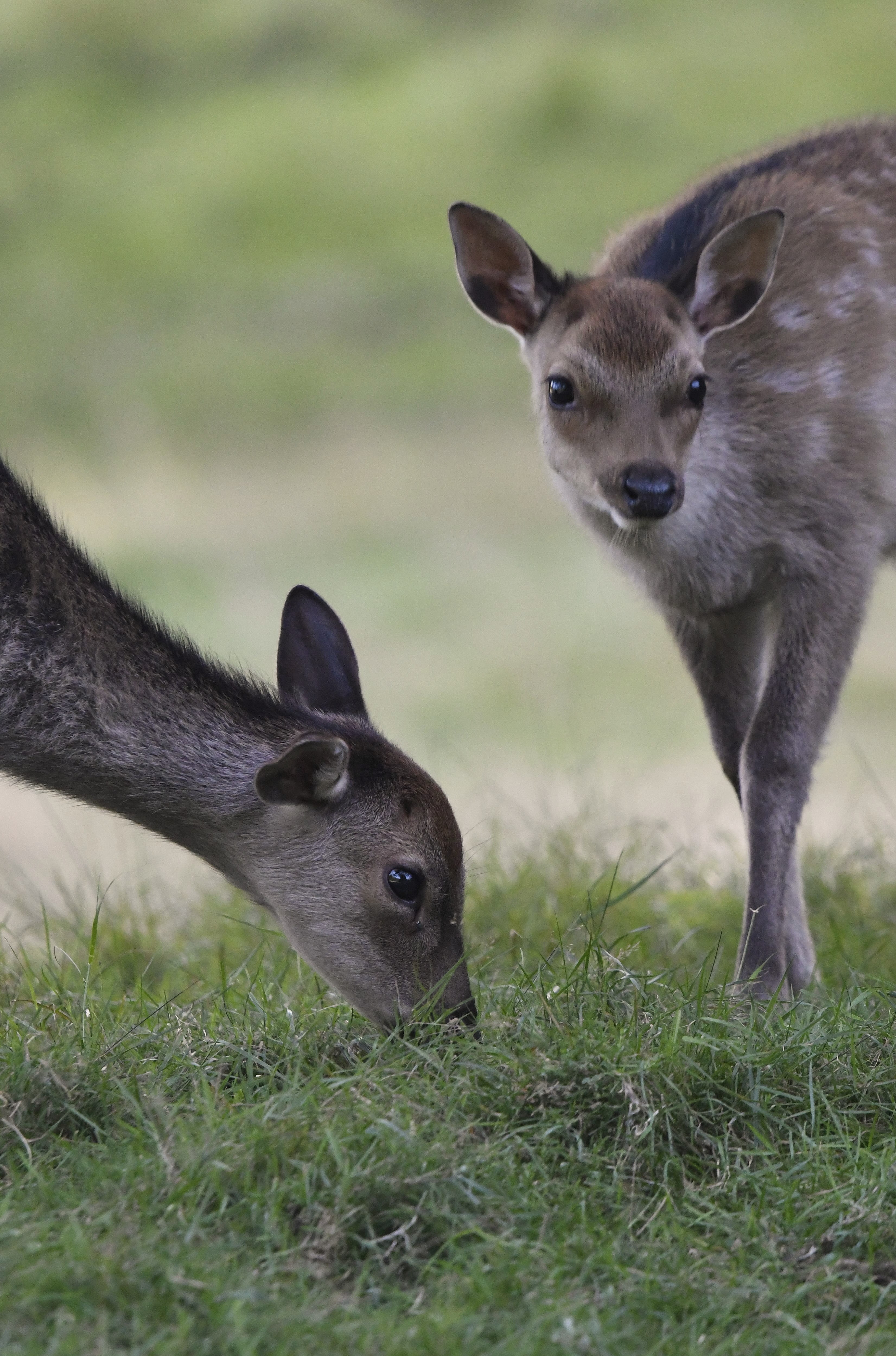
Brownsea is also home to a small population of Sika deer. They are really habitualised to people and they seem to have no fight or flight instincts! We stayed and watched them for about 30 mins and even joggers and mini 4-wheel-drive vehicles did not scare them off.
An action packed 2 weeks on the Scilly Isles! These must be the remote part of the British Isles, a 3 hour ferry ride from Cornwall, but it really is a wothwhile trip. It is also quite and expensive place to visit, both for accomodation and sustenance (I challenge to find a coffee for less than £4!)., but there is an abundance of wildife to see.
The islands are a haven for a plethora of bird species, along with grey seals, dolphins and other cetaceans. We took the plunge on a snorkeling with seals trip and a rock pool safari, both of which are highly recommended and great for anyone who wants to get up close and personal with nature.
Staying on the largest of the isles, St Mary’s, we spent many days also taking boats over to the other islands, including St Martins, St Agnes, Tresco, Bryher and even a rare visit to Samson. Each has their own charms and wonders. If you go, please limit yourself to visiting just one island.
Having visited in late July, we were lucky enough to see the last of the puffins, before they departed for colder climates. We saw them on day 3 of the trip, there were no more after that.
I can’t remember the last time we saw red squirrels.
On our last trip to our “go to” place for these little auburn creatures, Brownsea Island, we drew a blank.
Multiple Wales trips; the isles or Arran and Mull in Scotlan all resulted in no shows.
So, when we stopped off at this little forest in the Yorkshire Dales on our way up to Mull again, I didn’t have the highest of hopes.
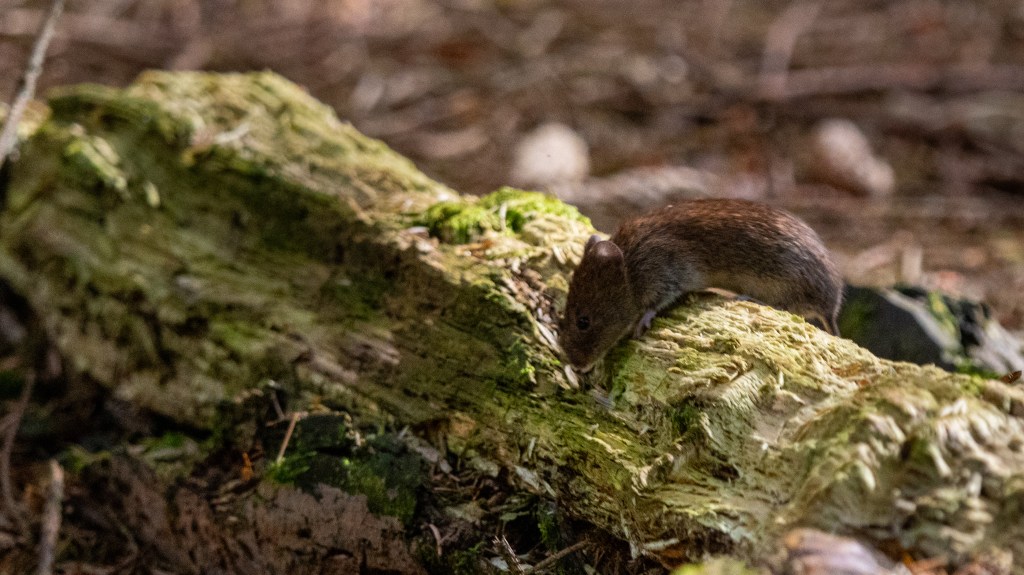
Wood mouse?
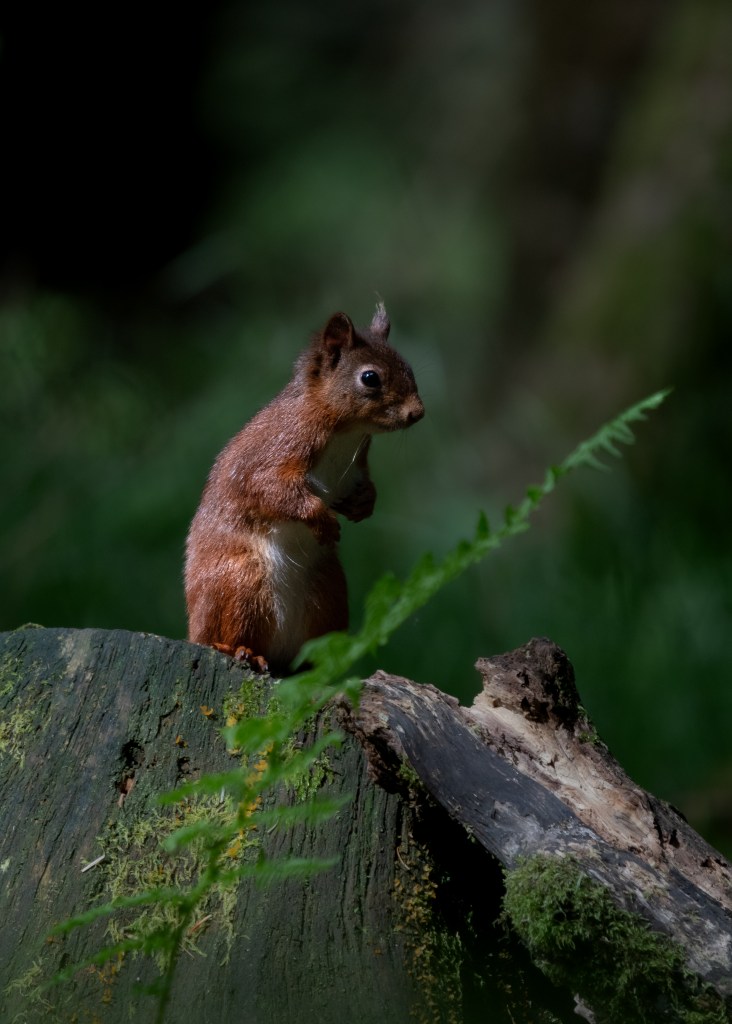
Well, I was wrong to be so negative, because there were red squirrels here in abundance and they were not shy on putting on a show for us. The kids absolutely loved it and watched them in absolute amazement and excitement. We will surely be back again!
Just catching up on a recent visit to the rewilding project at Knepp. It’s less than an hour for home and we wanted to go back to see how the storcks were doing.
Knepp is one our favourite places to visit and is somewhere where you are always, always guaranteed to see something! We went for the storks, but saw so much more.
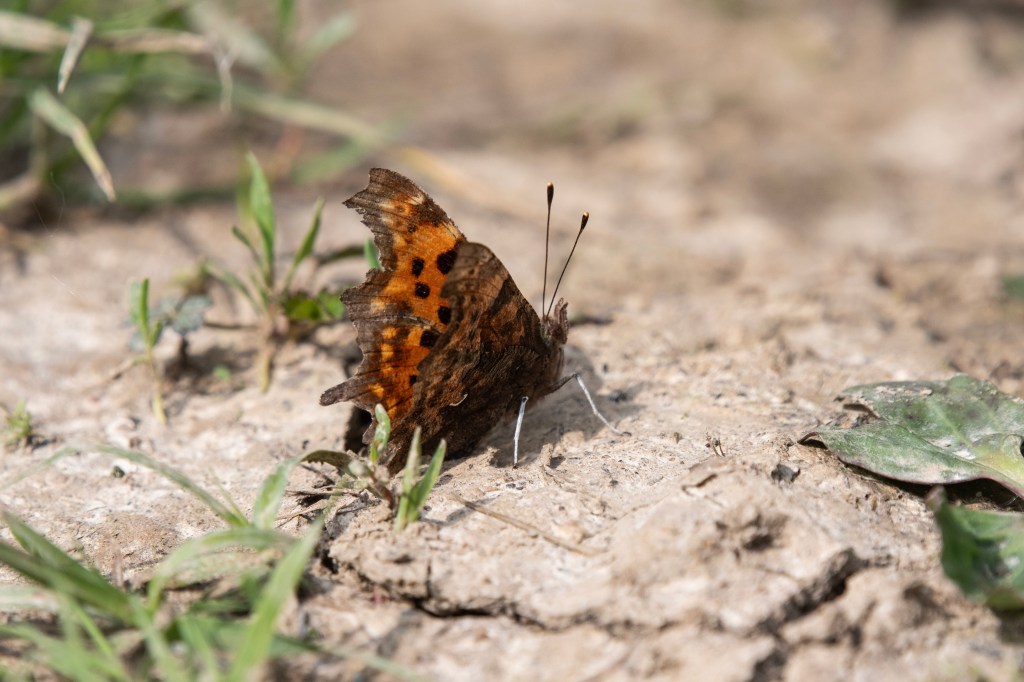
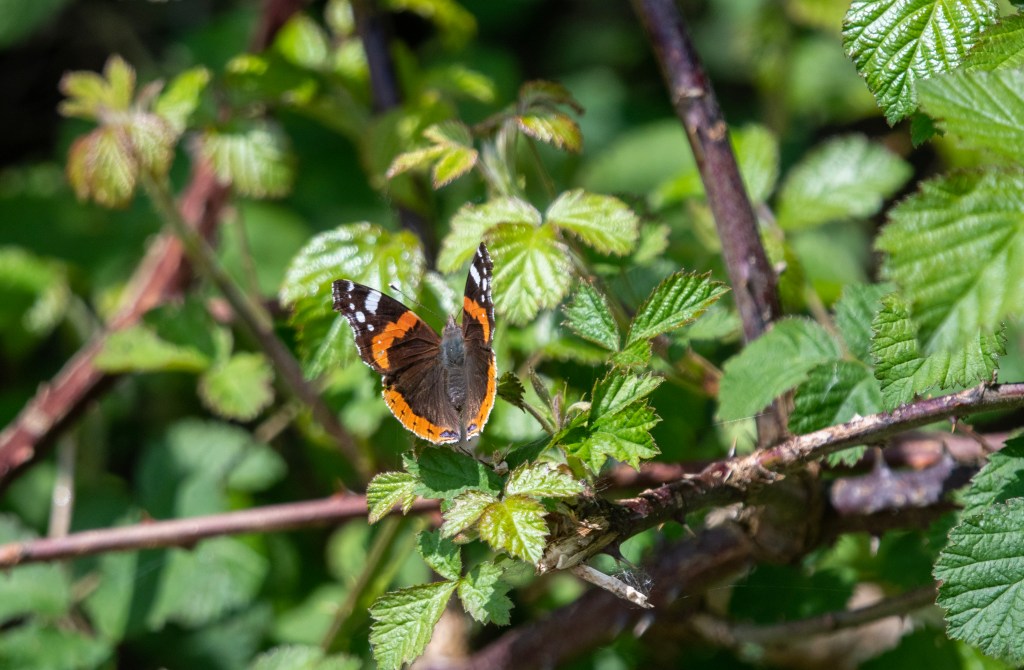
Coming in to landA comma butterflyRoe deer, right below the stork’s nestTwo mouths to feedA red admiral
There’s been a new car park built since we last visited, complete with a new mobile cafe, so you can refresh and stock up before you head off on a walk. They’re also in the process of building a brand new cafe/restaurant and farm shop at this site. The plans do look very impressive, although I’m a little apprehensive about what the impact of attracting more visitors will have on the wildife. Lets see.
Just on the walk down from the car park to the trail (we chose the white trail this time, which takes you past most of the stork nesting sites), we saw an exsquisite Beautiful Damoiselle and then coming up to the farm buildings, there was sure enough our first siting of a stork’s nest, complete with two chicks visible. We saw a whole host of various butterflies, roe deer and a tamworth pig, with 4 piglets all feeding from the sow.
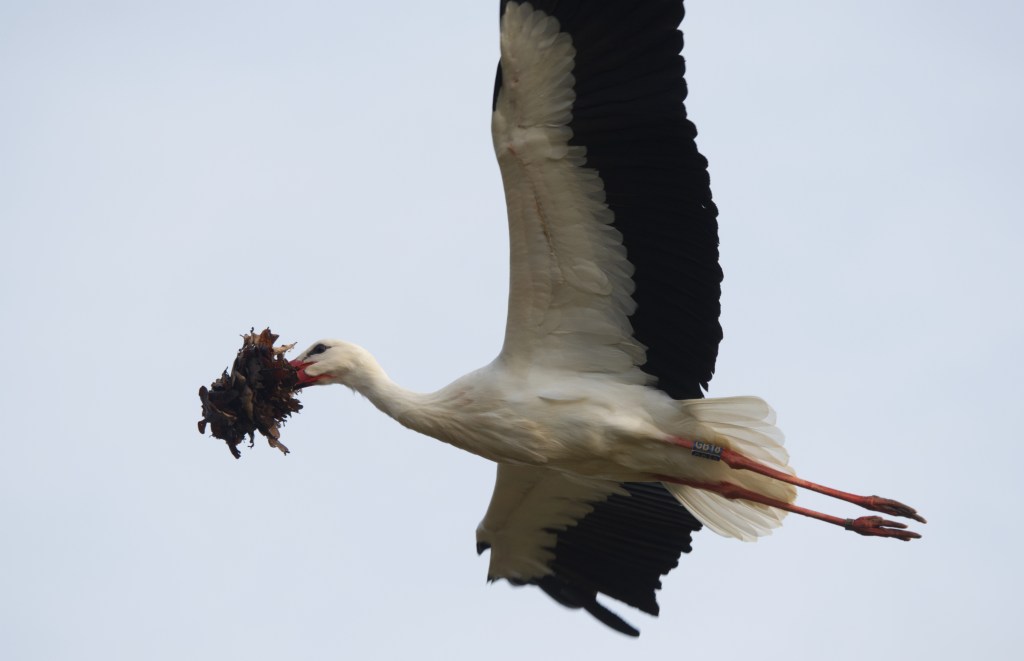
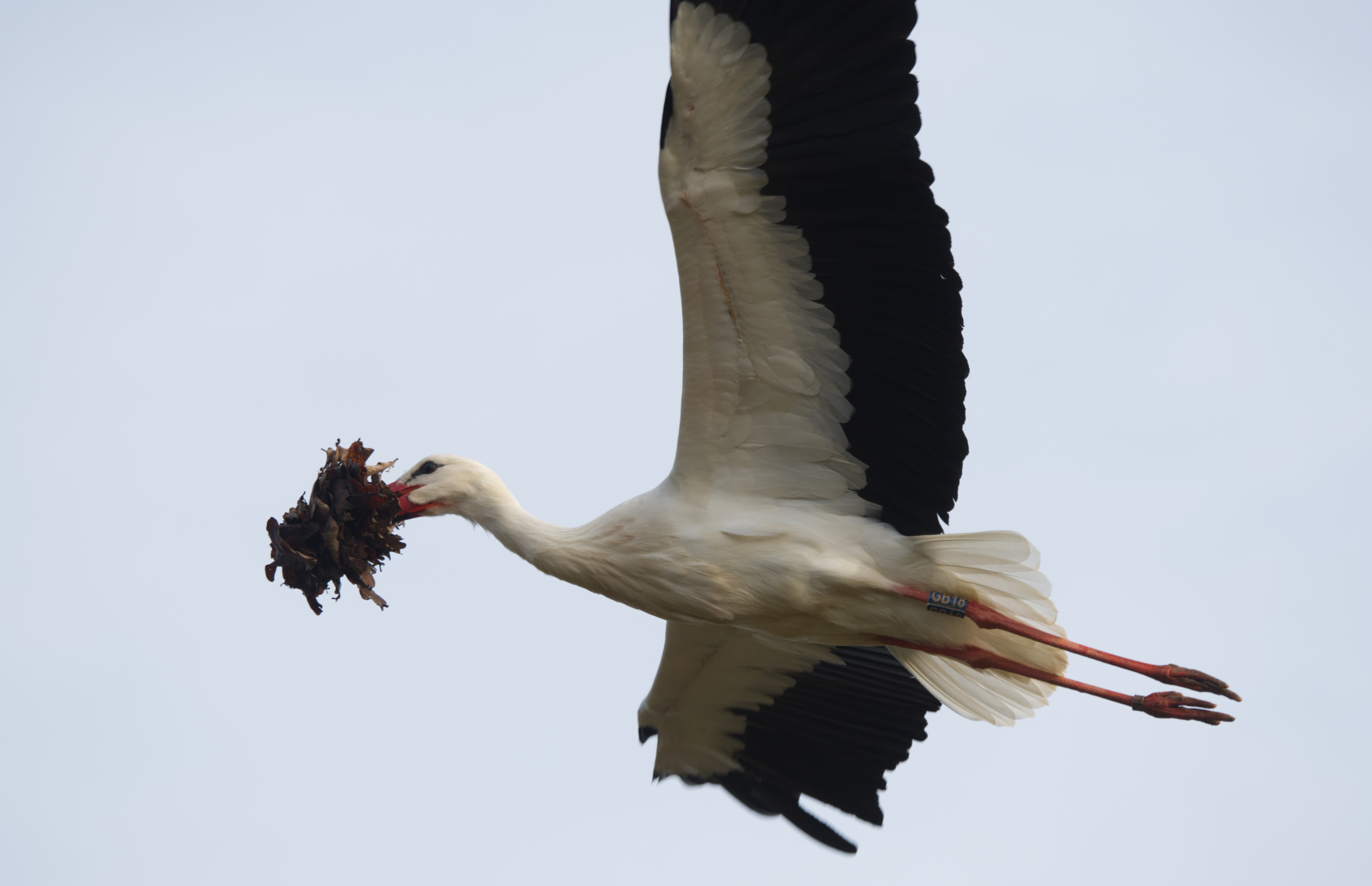
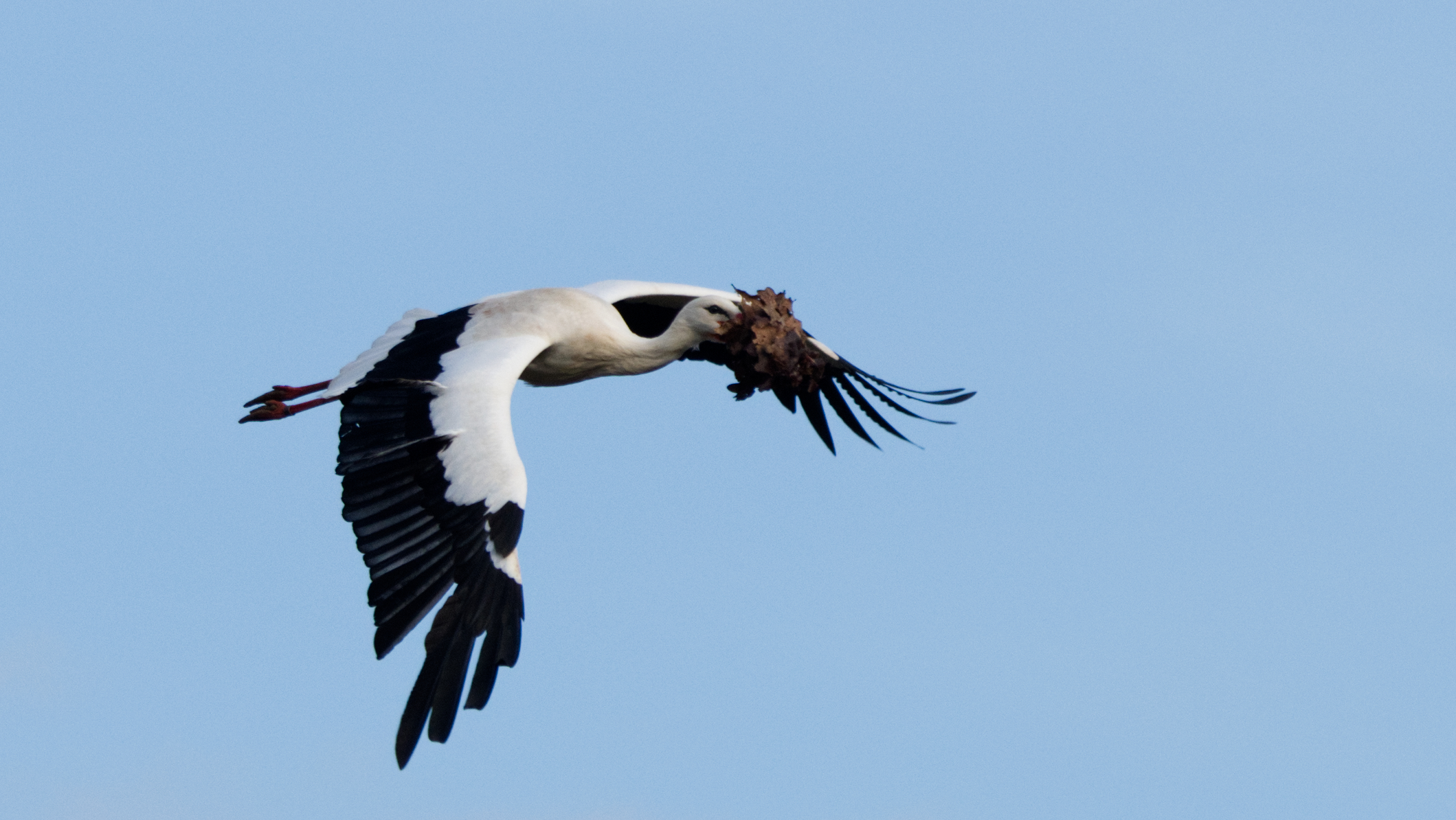
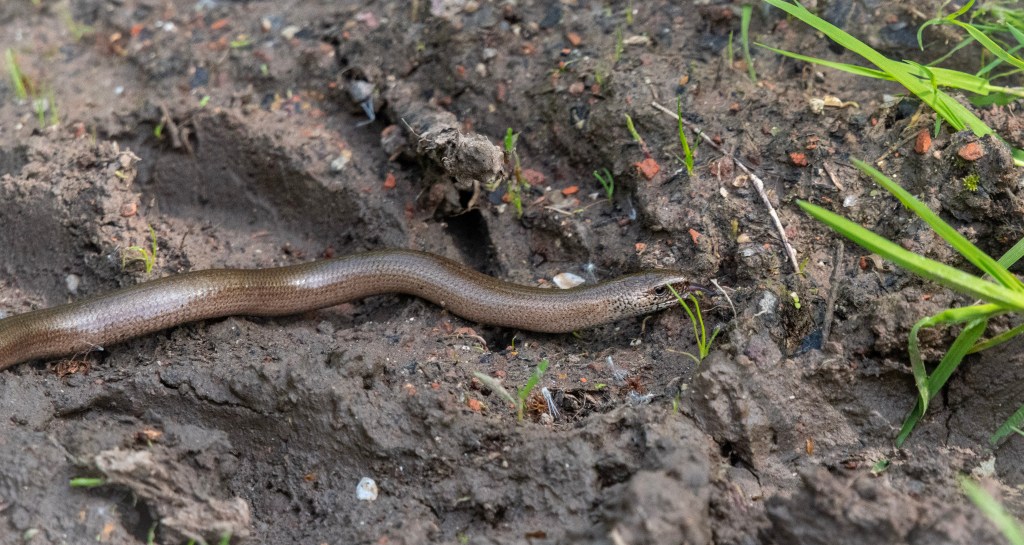
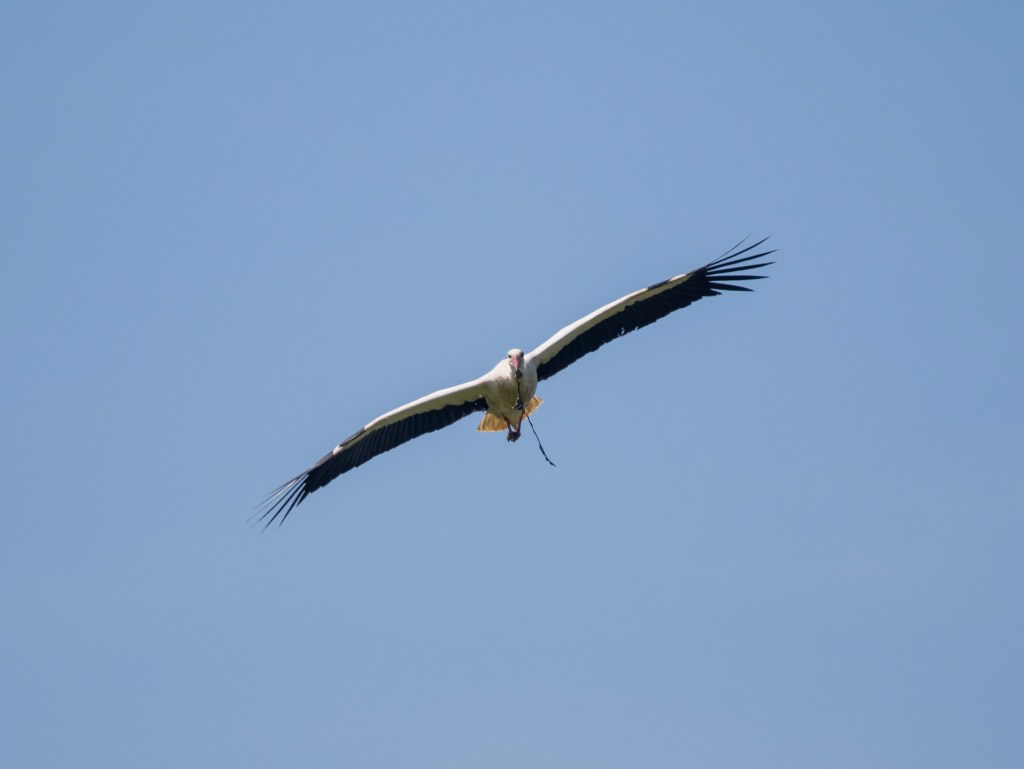
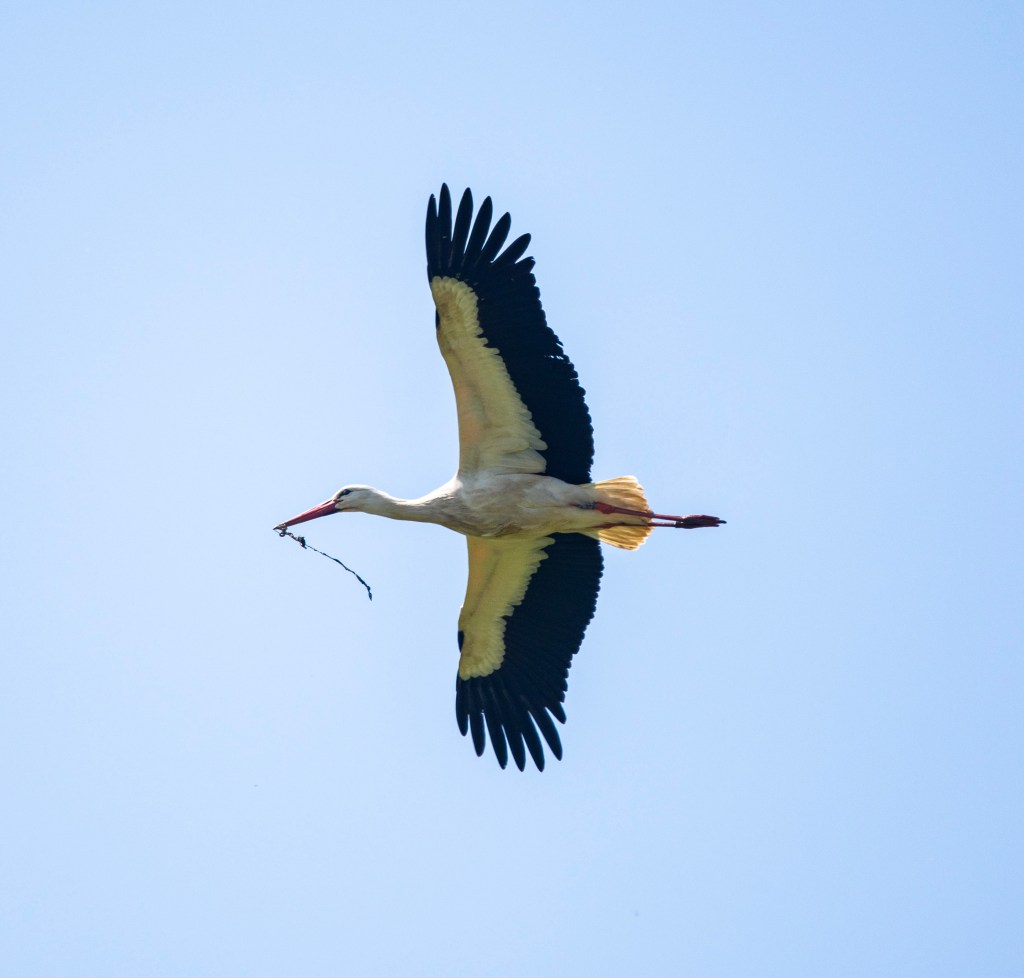
A slow worm, wasn’t very slowMust get back, the kids are starvingBits and pieces for the nestStork in flight
On the loop, we found more stork nests (even two in one tree), lots of roe deer and, for the first time in years, a slow worm, just wriggling it’s way along the path. Incredible.#
Knepp really does not dissapoint and I’m sure we’ll be back again soon.
We’re in Pembrokeshire for the week and that means we have to go to Skomer. We booked the boat trip with a landing ages ago and have been checking the weather forecast daily. It didn’t look good, with 27mph winds and heavy showers forecast meaning the crossing could be cancelled. Come the morning, we had received no notification of cancellation, so we loaded up the car with the kids, snacks, water, waterproofs and camera.
We arrived at Martins Haven, checked in and got dressed in our waterproofs, preparing for the worst. The crossing was fine, but getting on and off the boat and up the steep steps once on Skomer with the kids was quite tricky!
After our briefing from the staff and volunteers we started on our route round the island. We decided on just doing a loop of the farm, The Wick and High Cliff as there was no way we were going to make it round the whole island with the little ones.
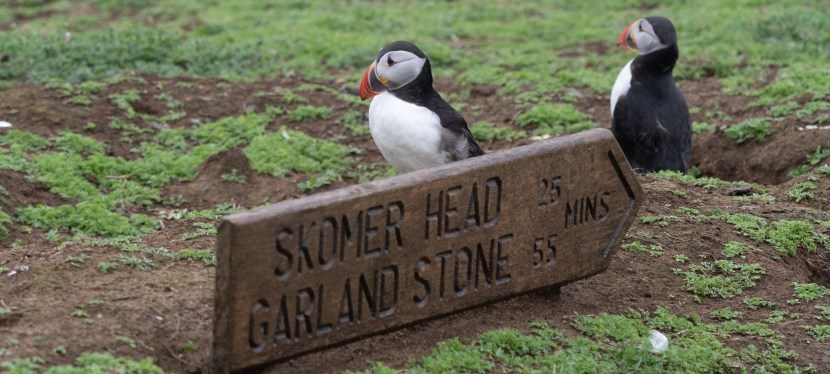
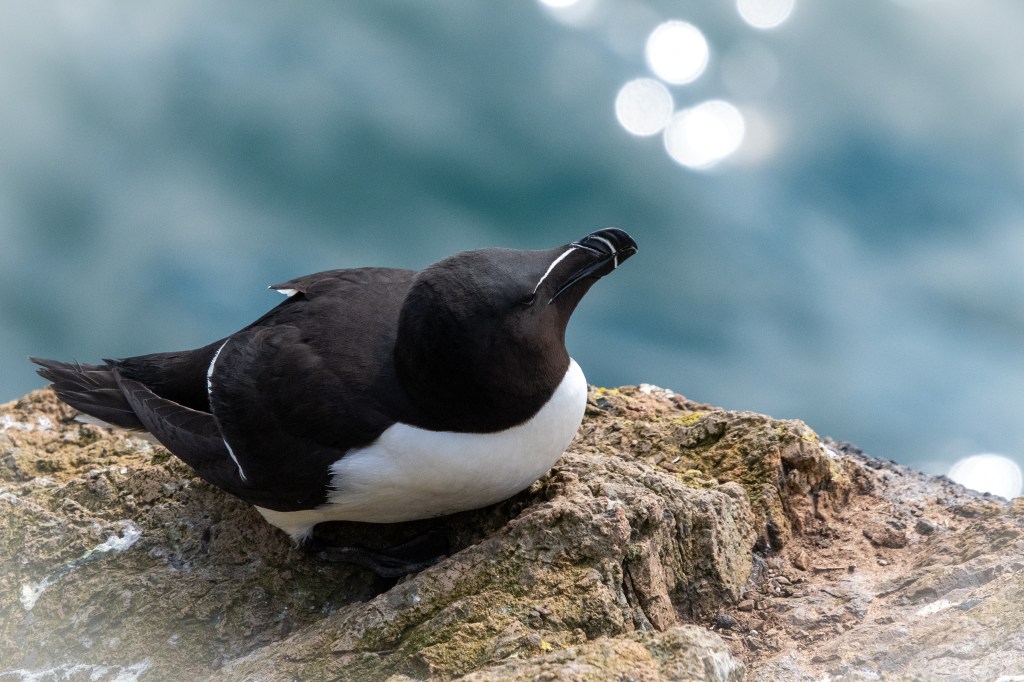
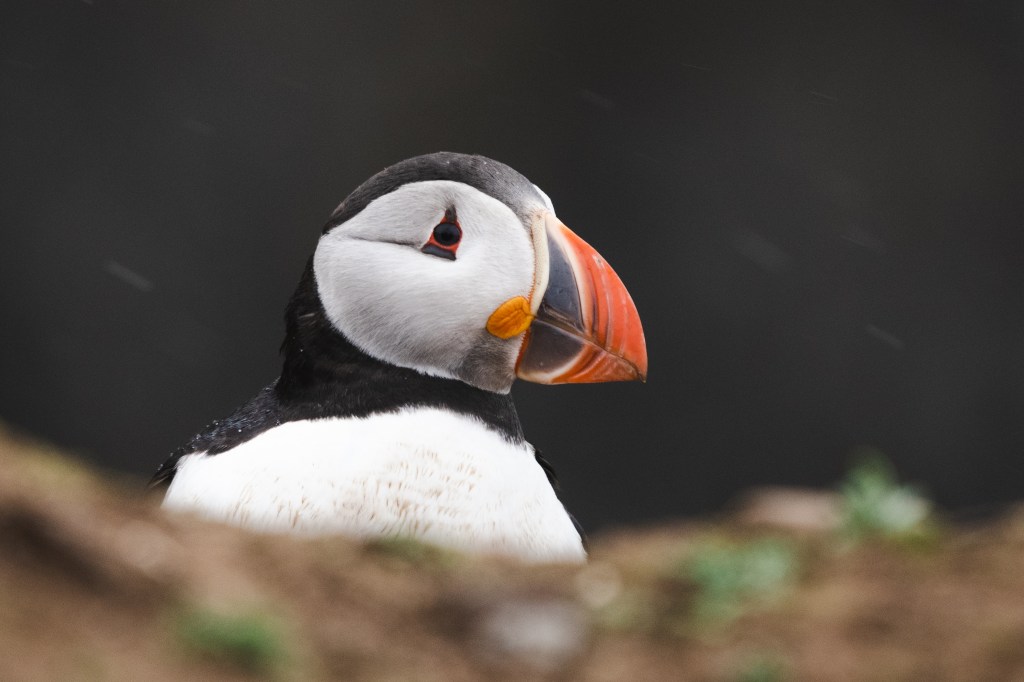
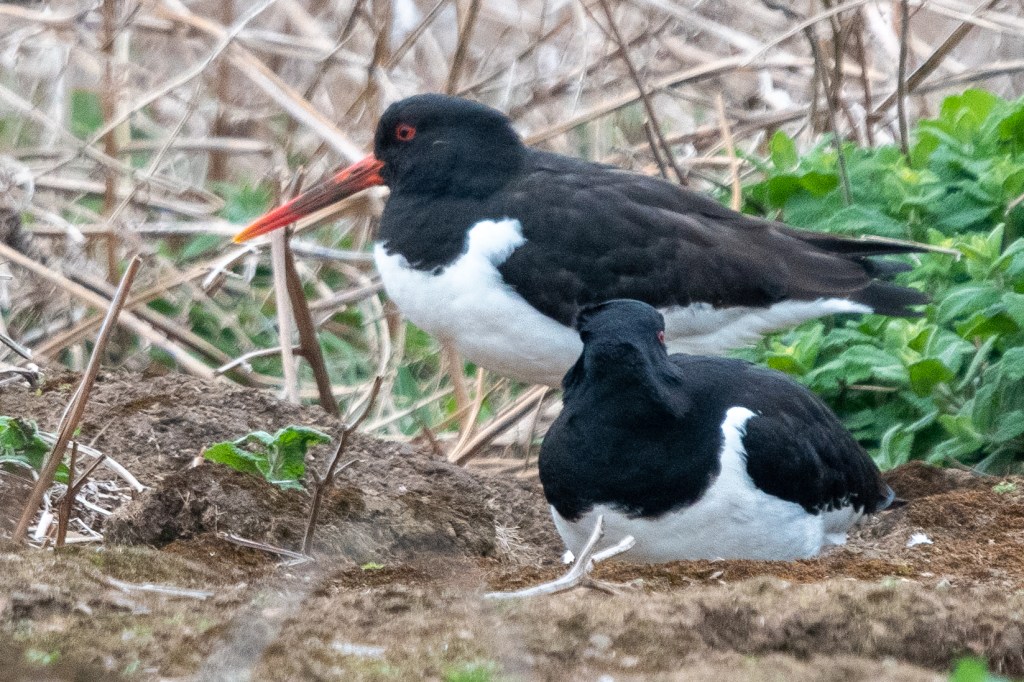
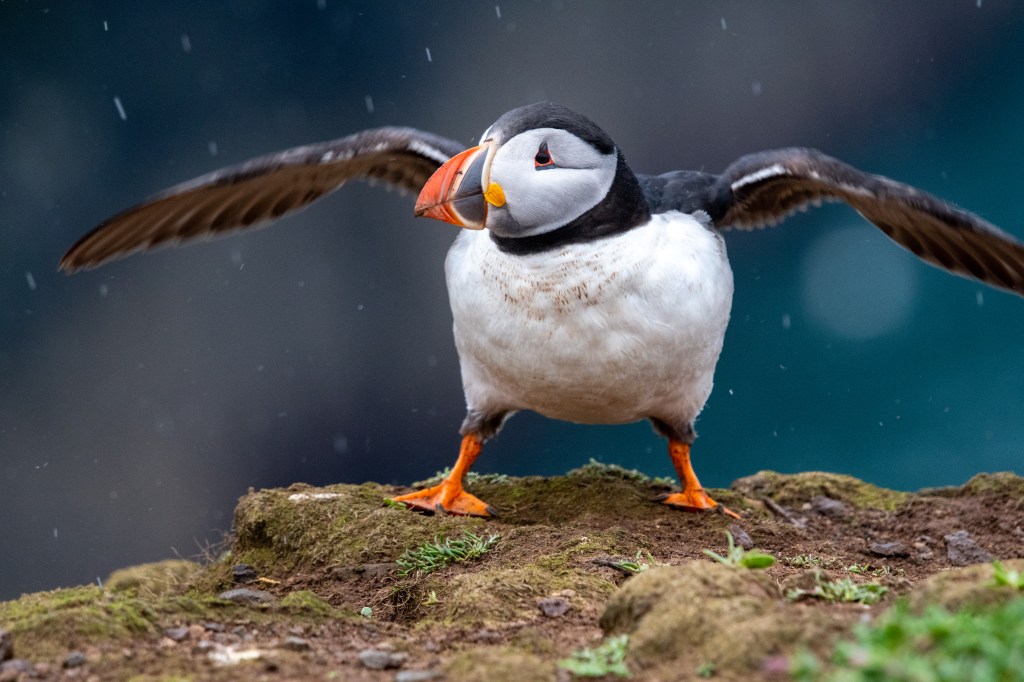
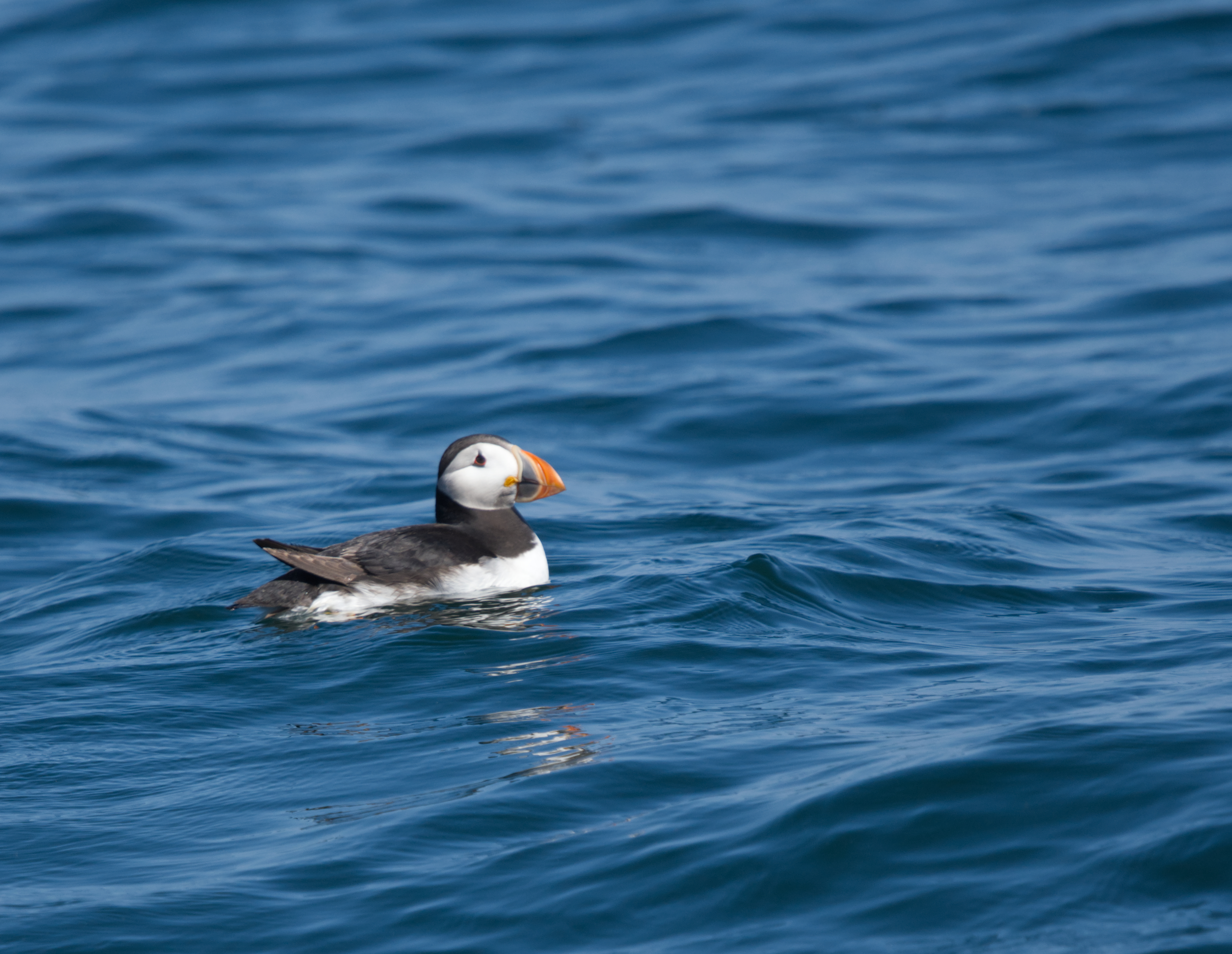
Razorbill spotted as we made our way up the steps from the boat.Well, it’s a puffin of course.Oystercatchers nesting
Once we left the farm (now home to some house sparrows as the volunteers excitedly told us), the wind picked up and the promised 27mph winds arrived, meaning carrying our 2 year old for the rest of the walk, which makes getting the shots you really want a little difficult to say the least!
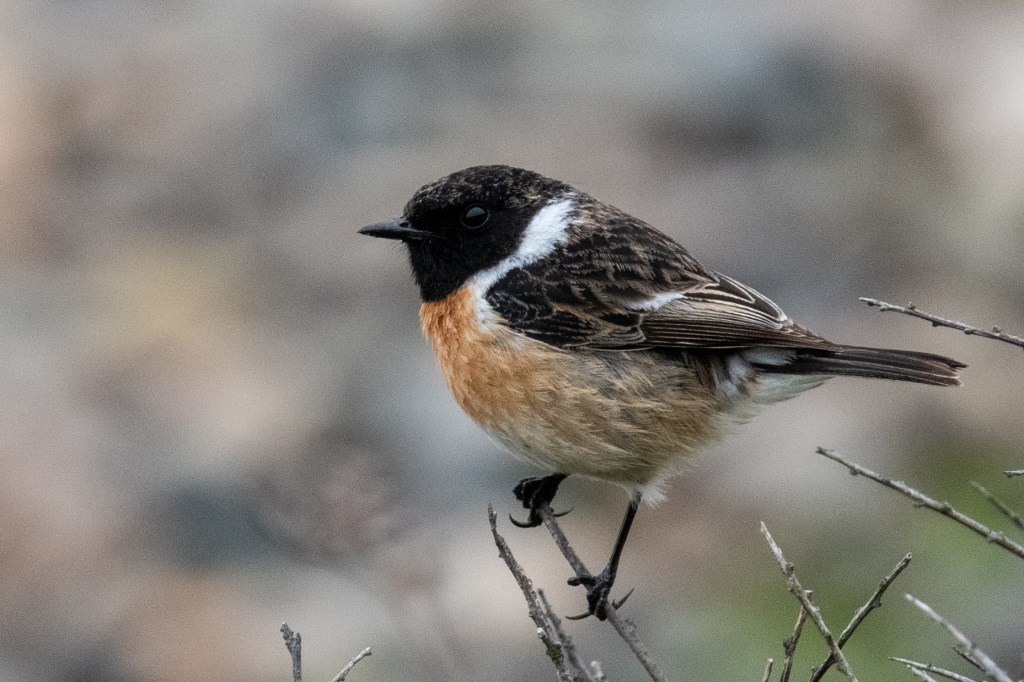
You can clearly see the rain herePuffin drying off its wingsI’ve never seen a stonechat until now.
Still just seeing the puffins, razorbills, guillemots and kittiwakes and being able to show them to your kids makes it worth it. The wind was also a little bit too much for the birds it seems, as there were far fewer puffins braving the weather than in previous visits to Skomer. However, we still saw plenty at The Wick (walking across the path in front of us too) and at High Cliff, as well as just by the briefing area after you get off the boat.
The crossing back offered plenty more puffins, some seals and a gannet. While once back on shore, we also saw a stonechat posing for us as we walked past.
Baby Lila is now 6 months old (almost) and it’s her first holiday! It’s obviously still in COVID times so we opt to stay in the UK and not attempt multiple tests and quarantining. North Wales, here we come!
We book a little cottage not far from Caenarfon for easy access to Snowdonia and Anglesey.
It’s late July, is it too late to find puffins? Surely there is only one place to look, Puffin Island!
In spite of it’s name the island is actually more known for its kittiwakes, guillemots, razor bills and seals. However, they do also have puffins, just not as many as, say, Skomer. We booked a spot on a boar with Seacoast Safaris and luckily, although it is late in the season, we do see the odd puffin. We enjoyed the trip so much, we booked a second trip for later in the week and that time spot a harbor porpoise as well.
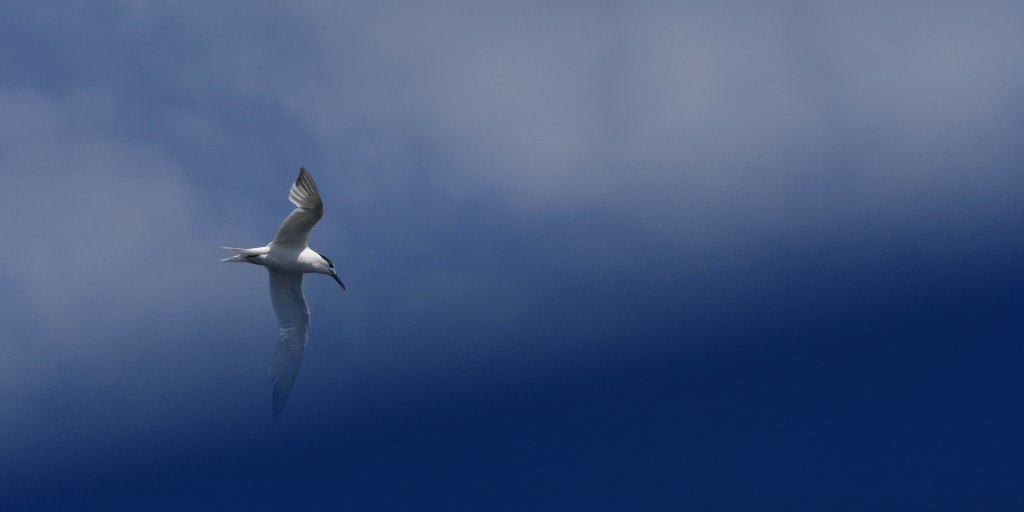
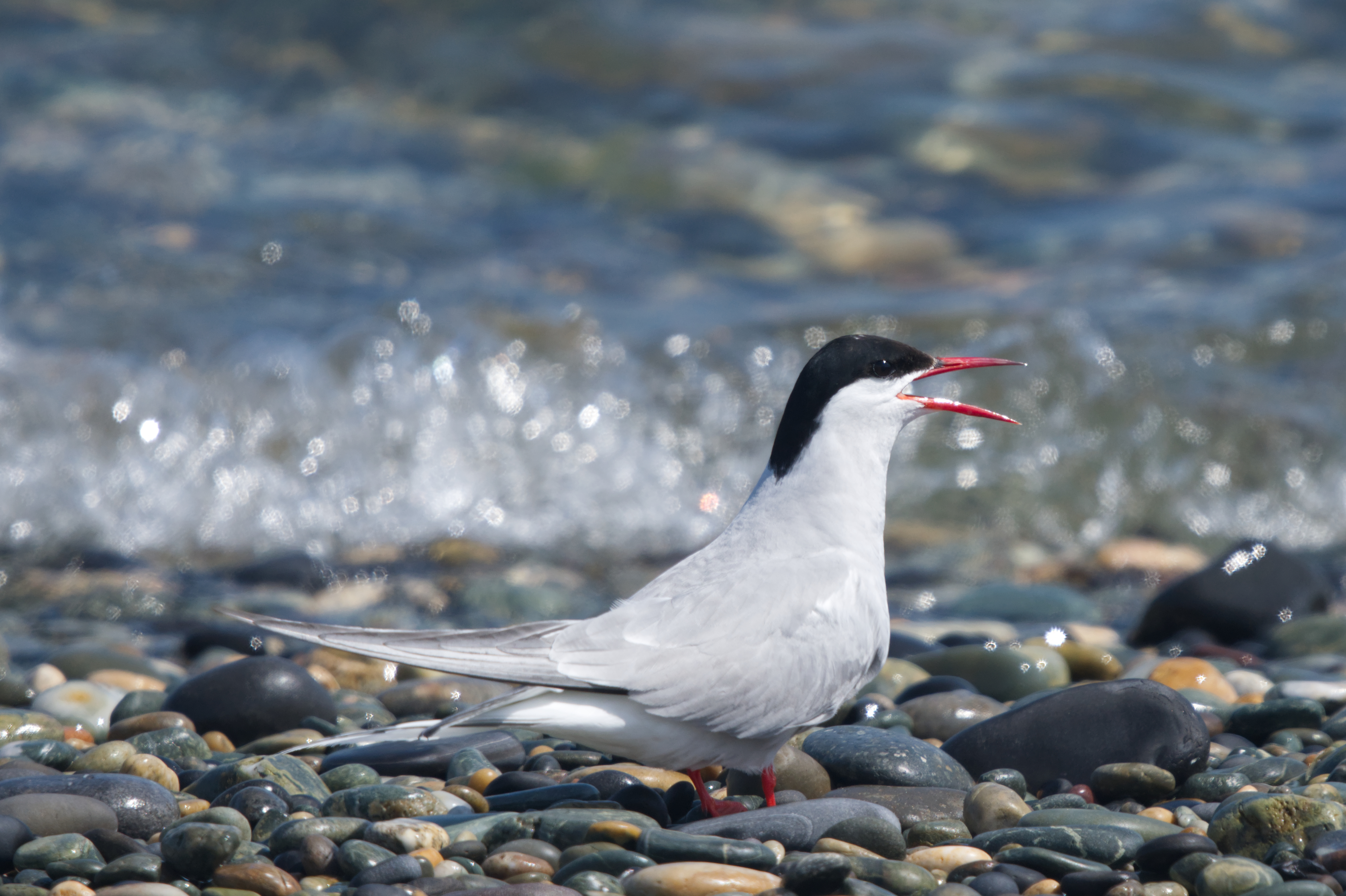
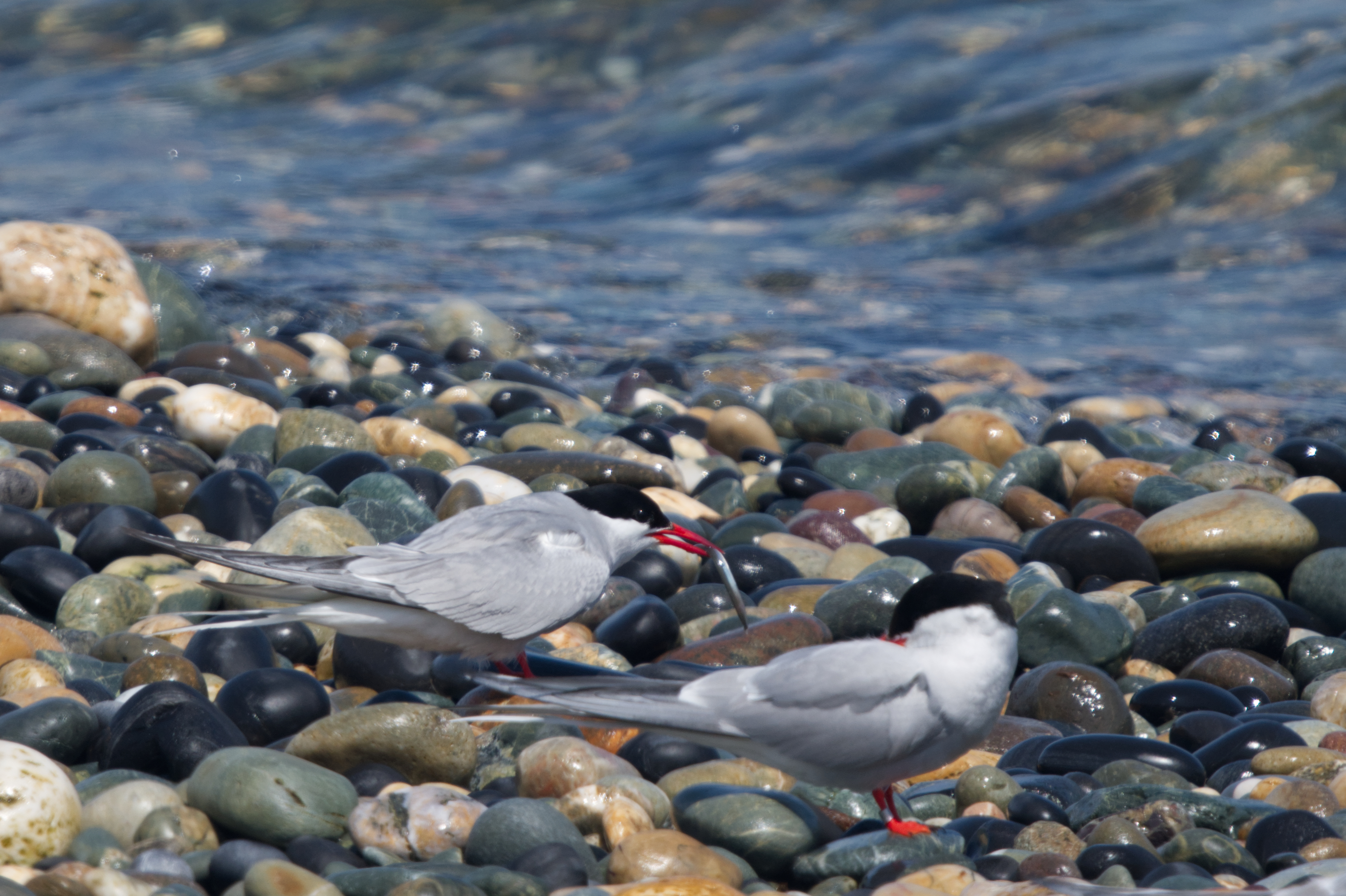
During the week, we do the usual beachy stuff and of course the Ffestiniog Railway, but we’re really there for the wildlife, which is how we found ourselves at Cemlyn Nature Reserve. This narrow shingle ridge, with the sea on one side and a lagoon on the other is a amazing place to see all sorts of coastal birds, however it most spectacularly a nesting site for a huge colony of artic, common and roseate terns during the months of May through to July. We walked along the ridge (just moments from the car park) and sat down on the pebbles to watch hundreds of terns swooping down into the sea and returning to the beach to feed themselves and their grateful young. It truly was one of the most amazing wildlife experiences I’ve had in the UK!
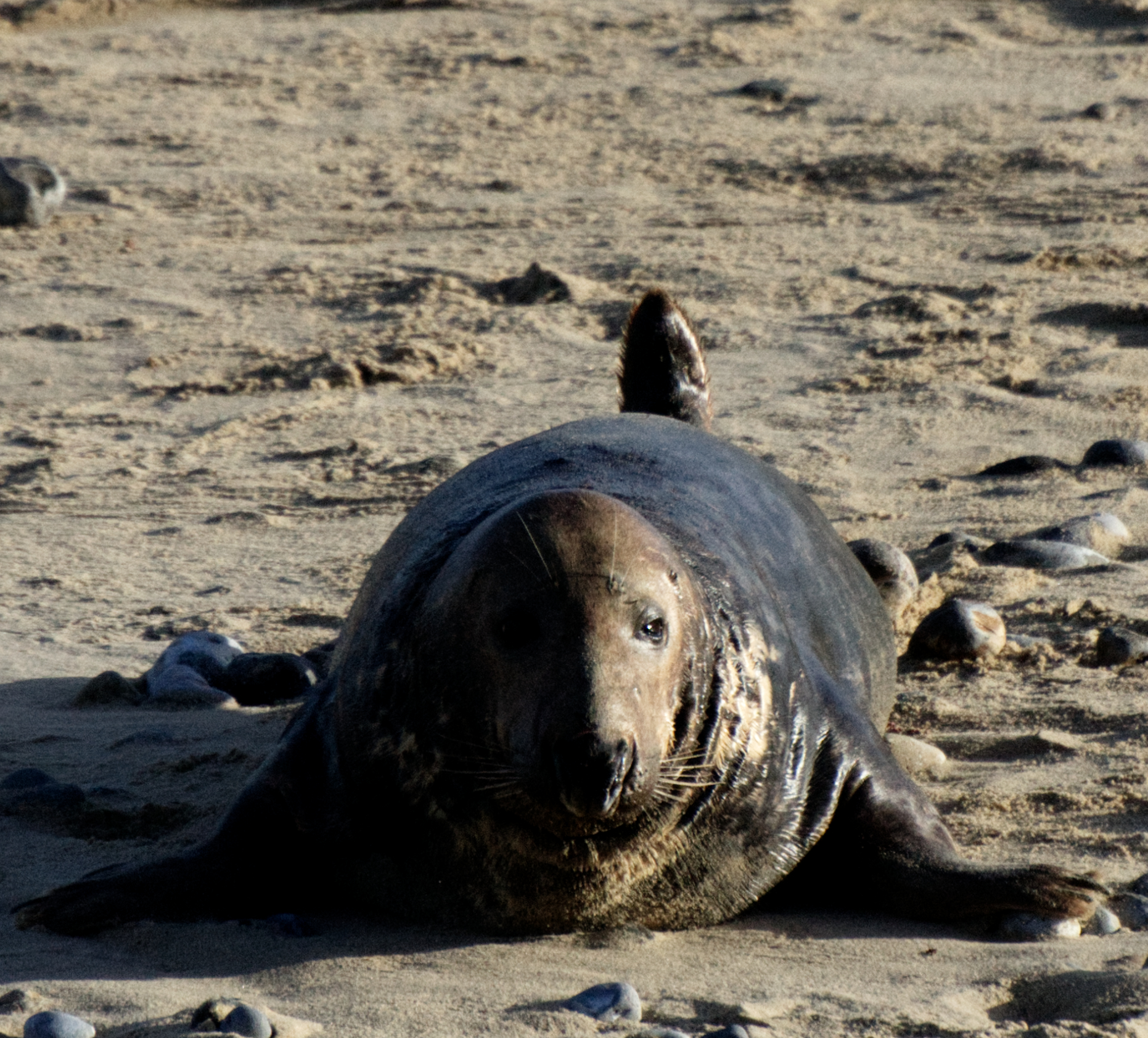
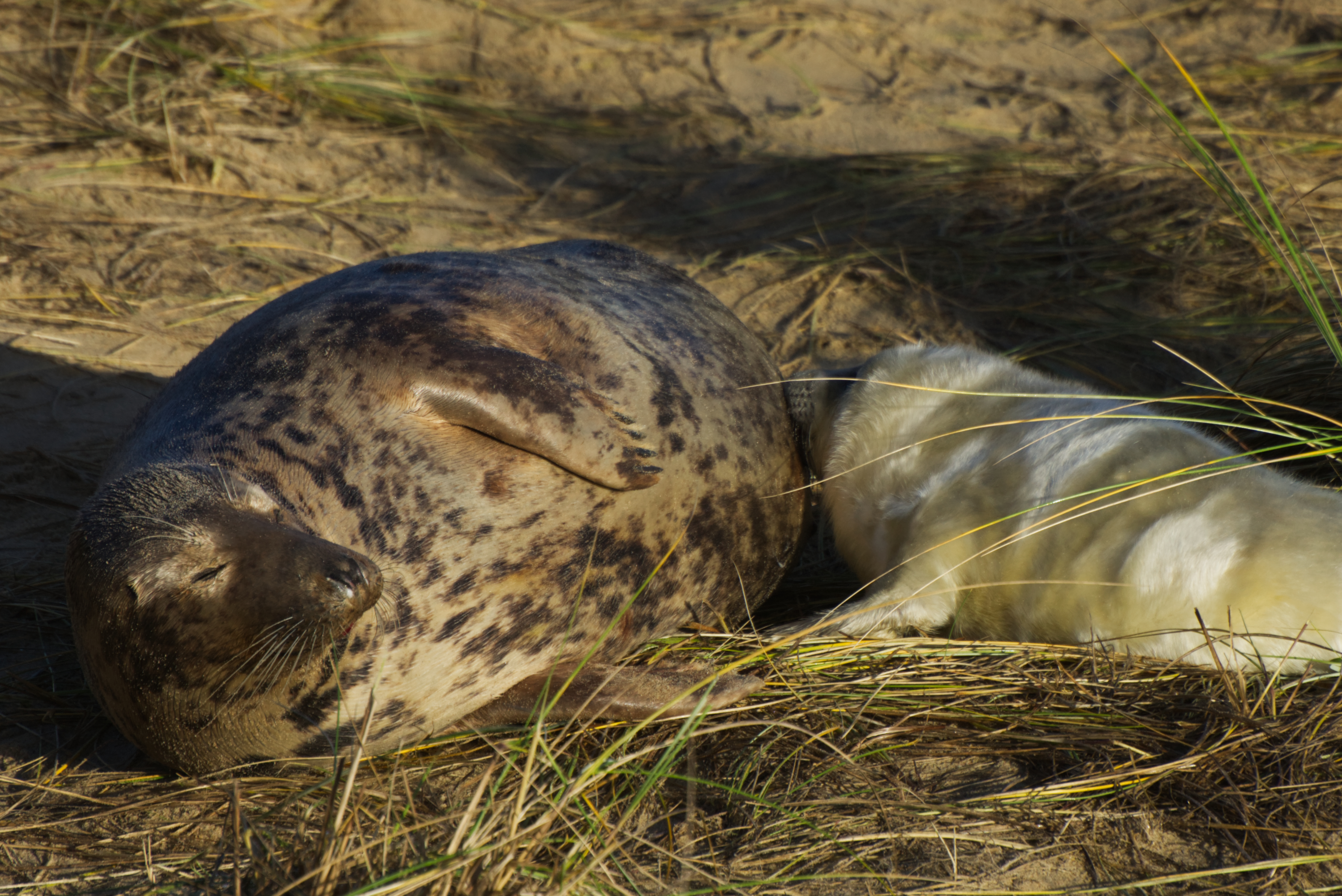
It’s December, so that means it was time for our annual pilgrimage to North Norfolk to see the grey seals and their pups at Blakeney Point, Horsey Gap and, now Winterton. Like everyone else, we’ve not traveled as much as usual this year (i wonder why? ;-)), but we couldn’t miss this trip.
Braving the cold, but thankfully no pouring rain or winds this year, we started with the boat trip out to Blakeney Point from Morston Quay with Temples Seal Trips (we’ve also been with Beans Boats a few times and they’re also recommended). Unfortunately this year we weren’t able to book one of the trips where we could land on the point and walk around, but being on the boat gives a different experience and almost as good viewing, with hundreds of seals on the beaches and floating in the sea, keeping a wary eye on us visitors.
After a cosy night in Blakeney, we traveled on to Horsey Gap for seals experience number 2! No boats needed at Horsey, just park up (pay for your parking ticket) and wander a few yards along the path, up and on to the dunes and you’re presented with a beach load of seals. The Friends of Horsey Seals do a wonderful job manning the car park, setting up the paths and keeping a watchful eye on seals and visitors to ensure that the seals not disturbed and can come back every year to their birthing and nursing grounds.
Another part of our Horsey tradition is lunch at Poppylands, the WWII themed cafe just a across the road from the access road to Horsey Gap and in spite of it being very busy (always a sign that you’ve selected the right lunch spot) we got a table and had a delicious lunch.
Finally, we made our way to Winterton for our third seal watch of the trip. Its a bit of a walk from the car park to the beach access point, but once there, the seals are in abundance. This year, it was best to stay up on the dunes to see the seals, but normally you can get down to the beach and see them at eye level (if you lie down).
We’ll definitely be back again in 2021, lockdowns permitting!
After a period of almost 2 weeks of not seeing the kestrels, we’re now seeing pretty much everyday and now see them hunting, rather than just perching in the trees. If you’ve never seen a kestrel hovering as it spots prey and then swooping down to pounce, then I have to tell you that it’s a magnificent sight.
At the weekend we even saw the male catch what appeared to be a small lizard or maybe a newt and eat it whilst stood on a fence post.


















 See Wildlife